Smoke odor trapped in HVAC and wall cavities
We run air scrubbers with HEPA filtration, then use a thermal fogger and ozone generator to treat the ductwork and cavities directly. Most units pass a smell test within 48 hours.
When a kitchen fire or electrical fault leaves your unit charred and smoky, Apartment Fire Cleanup in CARDIFF BY THE SEA, California gets you back inside safely. We handle soot removal, smoke odor, water damage from firefighting, and structural repair for renters, owners, and property managers. Call (833) 929-6186 and we'll assess the damage the same day.
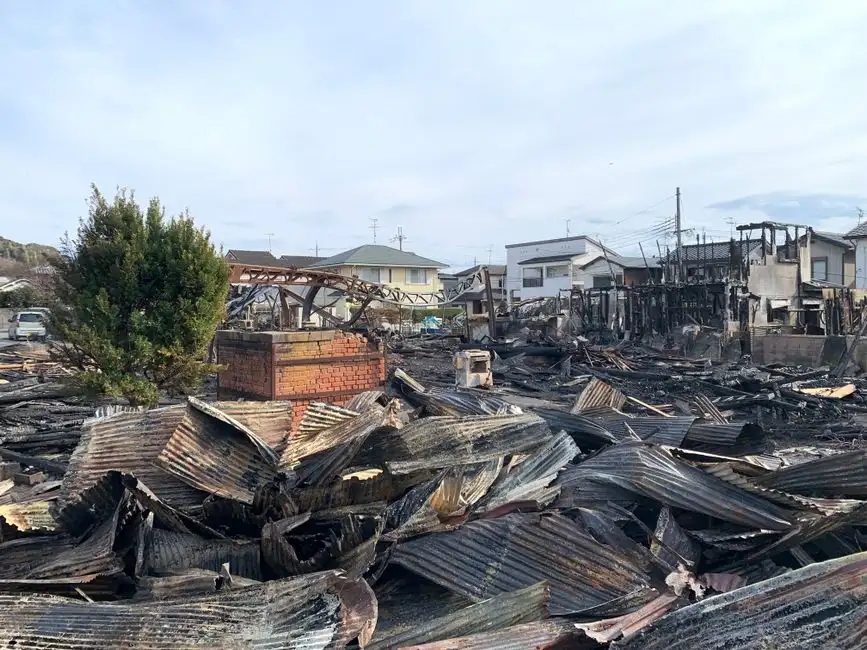
Apartment Fire Cleanup in CARDIFF BY THE SEA, California is the full process of making a fire-damaged unit safe, clean, and livable again. It starts with securing the space and shutting down compromised utilities, then moves through char removal, soot cleaning, smoke odor treatment, and structural repair. Because apartment fires rarely stay in one unit, we also test shared walls, hallways, and HVAC systems for smoke migration. A typical one-bedroom unit takes three to seven days from stabilization to final walkthrough, depending on how far the smoke traveled.
Most Cardiff apartment fires we see start in the kitchen or at an outlet, and the damage is rarely just flame. Firefighting water soaks drywall and insulation, and within 48 hours that moisture can turn into mold after fire and water. We use moisture meters and thermal imaging cameras to find hidden saturation before it spreads. If you're searching for apartment fire cleanup near me in CARDIFF BY THE SEA California, our team handles both the visible char and the invisible moisture and odor problems that follow.
Our standard scope covers everything from emergency stabilization through final rebuild. Some jobs need additional work, like asbestos testing in older buildings or content pack-out for heavily furnished units, and we'll flag those before starting so nothing is a surprise.
We secure windows and doors, shut off gas and power to the affected unit, and start negative air pressure to pull smoke particles out. This happens on the first visit, usually within two hours of your call.
HEPA vacuuming, surface cleaning, and removal of charred drywall, insulation, and framing. Soda blasting handles structural lumber where scraping would damage the wood.
Air scrubbers, thermal fogging, and ozone treatment reach the ductwork and wall cavities that surface cleaning can't. We verify with a smell test before sign-off.
Firefighting water soaks drywall and insulation fast. We extract standing water, set drying equipment, and monitor moisture readings daily until the structure is dry.
New drywall, insulation, framing, and finish work to California Building Code standards. We test every repaired circuit and HVAC run before closing up.
Photos, moisture logs, and a line-item scope formatted for adjuster review. This is what keeps claims moving and reduces disputes over what was damaged.
We arrive, assess structural safety, and shut off gas and power to the affected unit. Windows and doors get boarded, and a negative air machine starts pulling smoke particles out of the space. This first visit usually takes 60 to 90 minutes and prevents further damage overnight.
Using a moisture meter and thermal imaging camera, we map every wet or smoke-affected surface, including shared walls and the unit above. You get a written scope with photos before any demolition begins, so there are no surprise line items later.
We pull out burned furniture, hoarding fire debris, and unsalvageable materials, then use a pry bar and drywall saw to remove charred drywall and insulation down to clean framing. Soda blasting handles stubborn char on structural lumber without gouging the wood.
Every surface gets HEPA vacuuming, then a smoke sealant primer and encapsulant go on walls and framing. Air scrubbers run continuously while a thermal fogger and ozone generator treat the ductwork and cavities. This stage usually takes one to three days depending on square footage.
New drywall, insulation, and paint go in, and we test every repaired circuit and HVAC run before closing up. You walk the unit with our lead technician, and we don't sign off until the smell test, moisture readings, and visual inspection all pass.
Purpose-built equipment, used by trained technicians — so the job is done accurately the first time.
Vaporizes deodorizing agents so they penetrate wall cavities, ductwork, and furniture cushions where smoke odor hides.
Neutralizes smoke molecules in enclosed spaces after cleaning. We run it in unoccupied units and ventilate before re-entry.
Continuously filters airborne soot and smoke particles during cleanup, keeping the rest of the building cleaner.
Finds hidden moisture behind walls and ceilings that a moisture meter alone might miss.
Removes char from structural lumber without gouging the wood, preserving framing that would otherwise need replacement.
Creates negative pressure in the affected unit so smoke and soot particles don't migrate into hallways and neighboring units.
Industrial drying units that pull moisture out of drywall, insulation, and framing after firefighting water soaks the structure.
A grease fire scorched the cabinets, left soot on every wall, and filled the unit with smoke that reached the HVAC. The tenant had been out of the unit for four days when we arrived.
We degreased every surface, treated the ductwork with a thermal fogger, and replaced damaged drywall and cabinetry. The unit passed a smell test in 48 hours and the tenant moved back in on day seven.
An outlet fire behind a bedroom wall charred the framing and left water from the hoses soaking the floor and lower drywall. Moisture readings were high in three rooms.
We opened the wall, removed charred insulation, and used soda blasting on the framing. Drying equipment ran for four days, and the rebuild passed inspection on the first try.
A fire in one unit sent smoke through shared walls and ductwork into three neighboring units. Only one unit had visible flame damage, but all four smelled of smoke.
We treated all four units with air scrubbers and thermal fogging, documented each separately for insurance, and rebuilt the burned unit in nine days. The other three stayed occupied throughout.
Fire damage in an apartment is rarely just one problem. Smoke, water, and structural damage compound each other, and the longer they sit, the more expensive the fix gets.
Ask a pro →We run air scrubbers with HEPA filtration, then use a thermal fogger and ozone generator to treat the ductwork and cavities directly. Most units pass a smell test within 48 hours.
We extract standing water immediately, set Dri-Eaz and Phoenix Restoration Equipment drying units, and monitor moisture readings daily until the structure is dry.
We clean with HEPA vacuums and specialized sponges, then apply smoke sealant primer and encapsulant to lock in any residue that remains.
We open affected cavities, remove charred material, and use soda blasting to clean structural lumber without gouging. Rebuild follows California Building Code standards.
Typical 2026 pricing runs $3,500 to $12,000 for a one-bedroom unit, with most jobs landing near $6,800. Minor soot and odor jobs can come in under $2,500, while multi-unit smoke remediation with structural repair pushes higher. Insurance usually covers the bulk of the cost, and we provide the itemized documentation your adjuster needs.
Yes. Most fire damage is repairable, including charred framing, smoke-stained drywall, and water-soaked insulation. We remove unsalvageable materials, treat the rest with smoke sealant primer and encapsulant, and rebuild to California Building Code standards. Total-loss situations are rare and usually limited to the unit of origin.
Our team covers Cardiff-by-the-Sea Village, Cardiff Bluffs, Cardiff Reef, and the surrounding neighborhoods with same-day emergency response. Call (833) 929-6186 and we'll confirm a two-hour arrival window. We handle everything from initial board-up through final rebuild and walkthrough.
In most cases, yes. Renters' policies cover personal property and loss of use, while the landlord's policy covers the structure. We photograph every affected surface, log moisture readings, and produce a line-item scope that matches what adjusters expect, which speeds up approval and reduces disputes over scope.
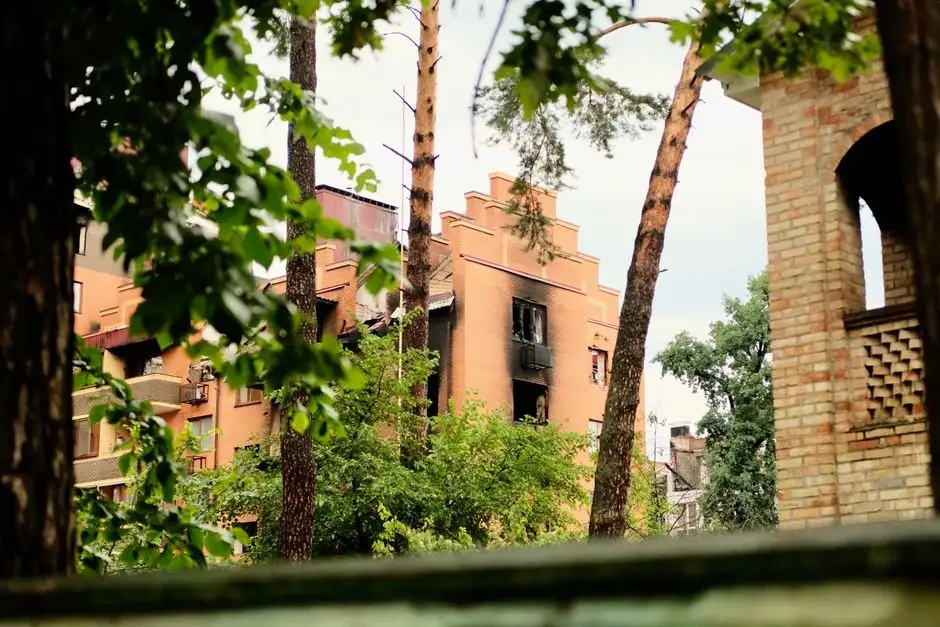 Smoke Damage RestorationSmoke travels through shared walls and ductwork faster than flames, so a fire in one Cardiff unit often leaves odor in three. We use air scrubbers, thermal fogging, and ozone treatment to clear the whole affected area, not just the burned room.Explore →Fire Damage Clean UpDebris removal, char scraping, and surface cleaning come before any rebuild. We haul out burned furniture and hoarding fire debris, then clean walls and framing so new materials go onto a stable, smoke-free surface.Explore →
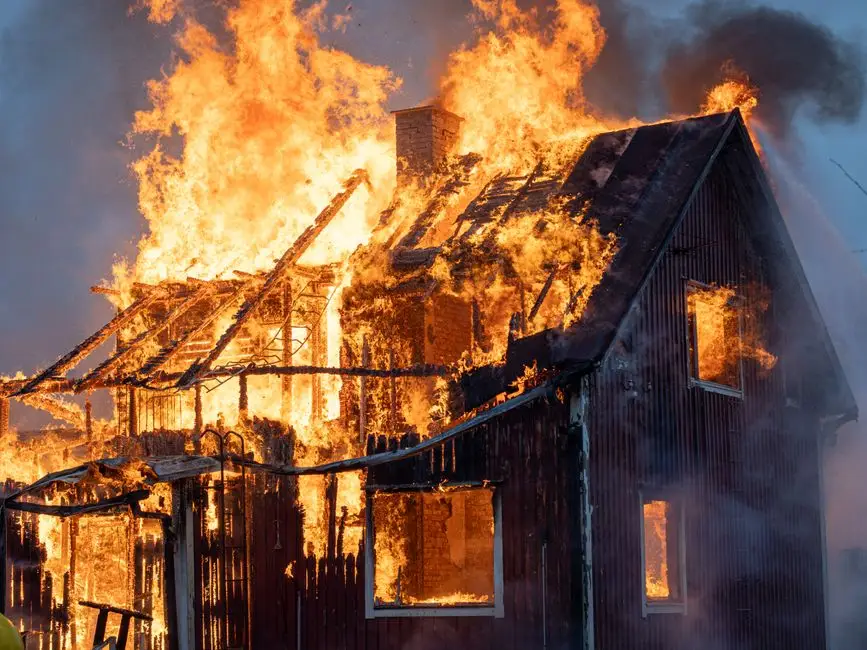 Emergency Fire Damage RestorationBoard-up, utility shutoff, and water extraction happen on the first visit. Getting the unit secured and dry within hours prevents mold after fire and water from turning a repairable job into a demolition.Explore →
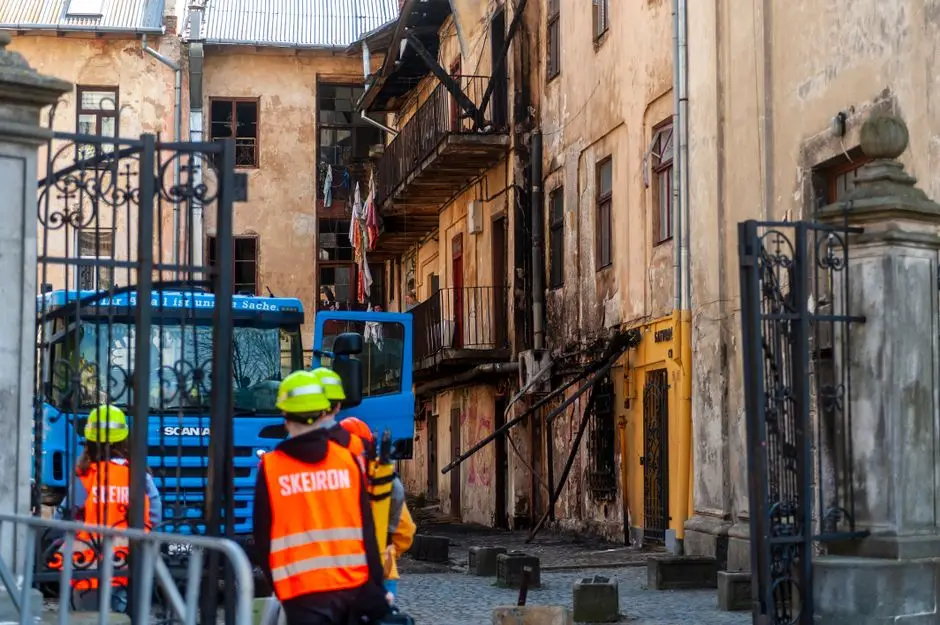 Structural Repair After FireCharred framing, damaged roof sheathing, and compromised drywall get replaced to California Building Code standards. We handle the rebuild with the same crew that did the cleanup, so the schedule stays tight.Explore →
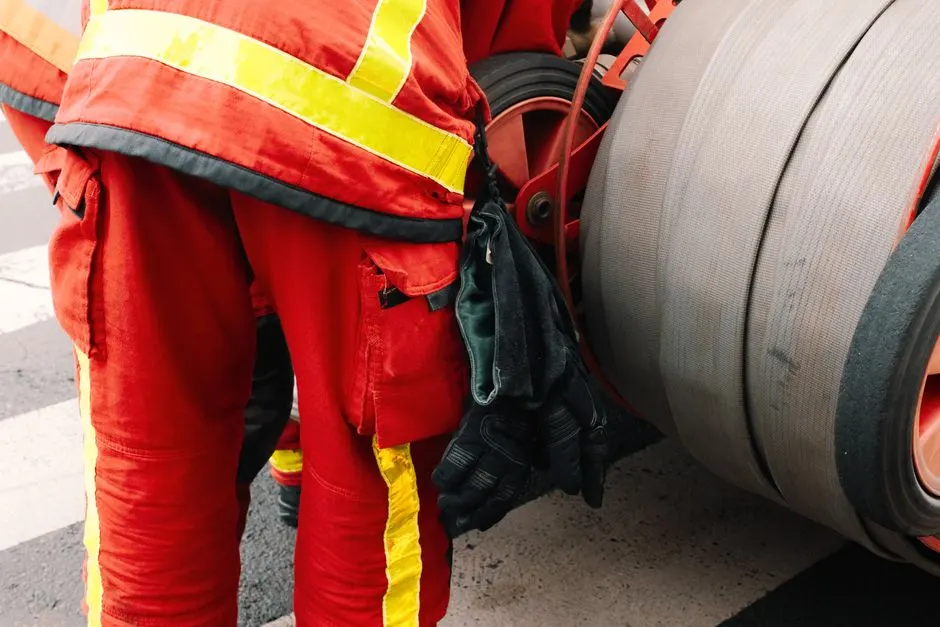 Odor Removal After FireSmoke odor in HVAC and wall cavities needs more than surface wiping. We run a thermal fogger and ozone generator to reach the spaces a sponge can't, then verify with a smell test before sign-off.Explore →
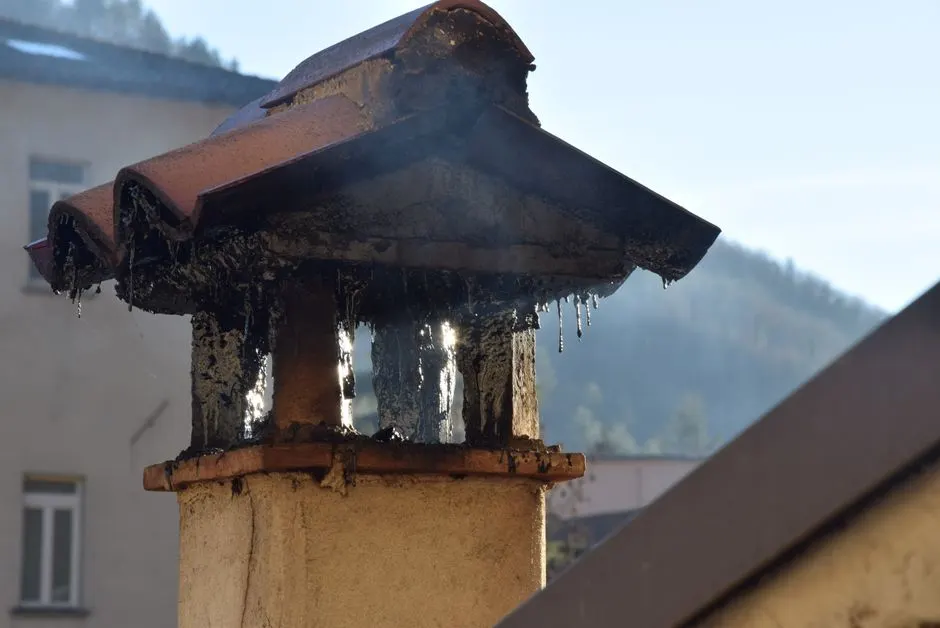 Soot RemovalSoot residue on walls bonds harder after 72 hours, so fast action matters. We use HEPA vacuums and specialized sponges, and soda blasting on structural lumber where scraping would gouge the wood.Explore →
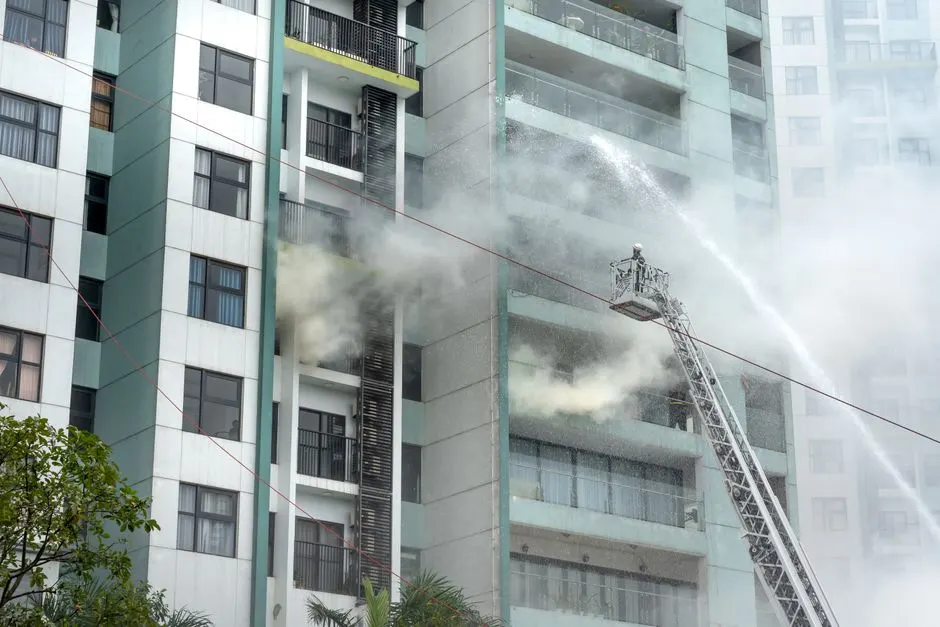 Smoke RemediationFull smoke remediation covers contents, structure, and ductwork. We seal affected surfaces with smoke sealant primer and encapsulant, then run air scrubbers until particle counts return to normal.Explore →
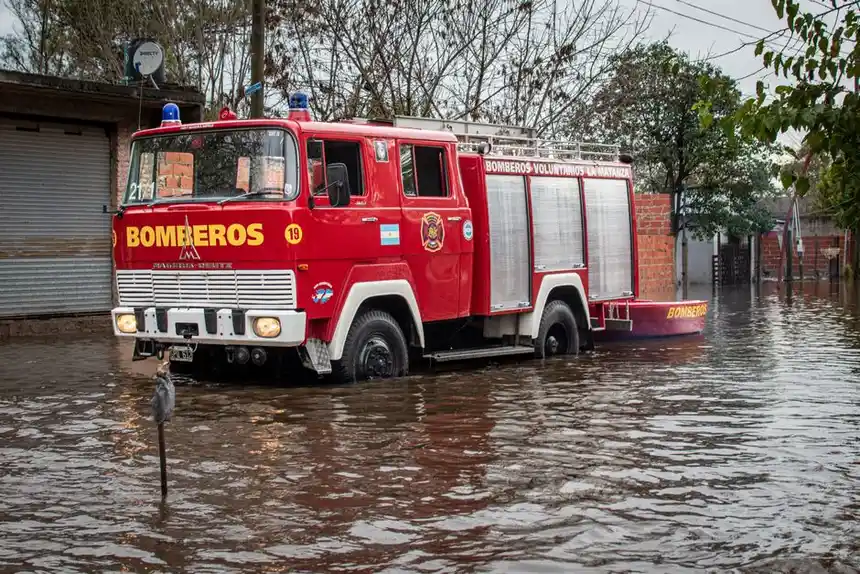 Fire and Flood RestorationFirefighting water soaks drywall and insulation, and that moisture is a mold risk within 48 hours. We extract standing water, dry the structure with Dri-Eaz and Phoenix Restoration Equipment units, then handle the fire damage.Explore →
Every hour counts after a fire. Soot bonds harder, moisture spreads, and smoke odor settles deeper into the walls. Call (833) 929-6186 and we'll dispatch a crew with a two-hour arrival window. Written scope, itemized pricing, and insurance documentation included.
Call Now (833) 929-6186 →Call (833) 929-6186 any time, day or night. A live dispatcher answers and gives you an arrival window. We serve all of CARDIFF BY THE SEA and the surrounding neighborhoods, and we can usually be on site within the hour for emergency calls.