Soot residue on walls and ceilings
We test the residue, HEPA-vacuum the loose material, then clean with the right chemical and seal the surface. Most painted walls clean up without replacement if we get to them in the first few days.
Soot Removal in CARDIFF BY THE SEA, California starts with a walkthrough, not a sales pitch. We pull soot off walls, ceilings, framing and HVAC before acidic residue etches deeper and the smell settles into the structure. Whether a kitchen flare-up or a full house fire left the mess, our soot cleanup in CARDIFF BY THE SEA California crew arrives with HEPA vacuums, air scrubbers and the chemicals that match the residue type.
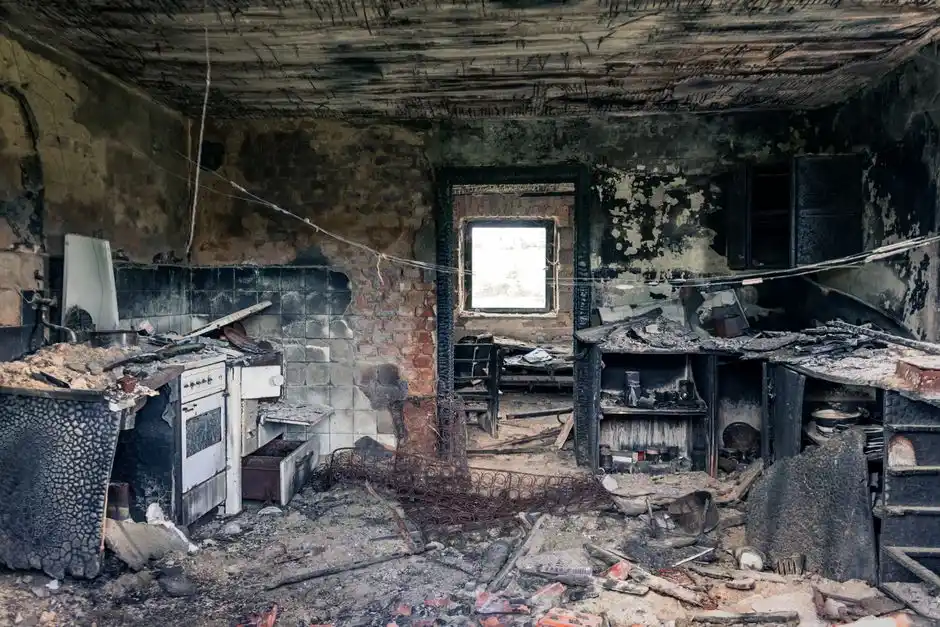
Soot Removal in CARDIFF BY THE SEA, California is the controlled process of stripping smoke residue, char and oily film from every surface a fire touched - and from the surfaces it didn't. Soot is not dust. It is acidic, it stains within hours, and it keeps off-gassing into drywall, insulation and lumber until it is physically removed and sealed. We identify the residue type first, because a grease fire in a Cardiff kitchen leaves a different film than a slow-burning electrical fire in an attic.
Coastal homes here sit in salt air with marine-layer humidity, and that combination pushes soot deeper into porous materials faster than inland dry heat does. If you are searching for soot removal near me CARDIFF BY THE SEA California after a fire, the clock matters: within 24 to 72 hours, unsealed residue can permanently yellow paint and pit metal fixtures. We set up containment and negative air before we touch a wall so the rest of the house stays clean.
Every soot removal job covers the full path from assessment to final walkthrough. We tell you upfront what your specific loss needs, and we do not pad the scope with work your home does not require.
A technician walks the property, photographs affected areas, tests residue type, and measures moisture with a moisture meter. You get a written scope and a price before any work begins, usually within the first visit.
Zip walls, negative air machines and HEPA vacuums keep soot from spreading to clean rooms. We run air scrubbers for the duration of the job and change HVAC filters so the system does not recirculate residue.
Dry removal first, then chemical cleaning matched to the residue. Charred framing gets soda blasting where it is salvageable, and drywall with deep char is cut out with a drywall saw and pry bar so the cavity behind it can be cleaned.
Clean framing and wall cavities get a smoke sealant primer or encapsulant. This step is what keeps odor from bleeding back through fresh paint months later, and it is the step most cheap cleanups skip.
Thermal fogging or an ozone generator run clears residual odor, followed by a walkthrough with you under daylight and flashlight. We do not pull containment until you have seen the result and signed off.
We walk the property within the first visit, photograph every affected room, and use a thermal imaging camera and moisture meter to find hidden residue and firefighting water. You get a written scope and a start time the same day. Most Cardiff assessments take 45 to 90 minutes.
We seal doorways with plastic and zip walls, set negative air machines to keep soot from migrating, and stage HEPA vacuums inside the work zone. This step protects the rooms the fire never reached, which matters in open-plan Cardiff homes where smoke travels fast.
Before any liquid touches a surface, we HEPA-vacuum loose soot from ceilings, walls, framing and ductwork. Skipping this step smears oily residue into the paint. Dry removal typically takes the first half of day one on a standard house fire.
We match chemicals to the residue: alkaline cleaners for grease fire film, dry sponges for light powder soot, soda blasting media for charred framing and brick. Drywall with deep char comes out with a drywall saw and pry bar so the cavity behind it can be cleaned and sealed.
Clean framing gets a smoke sealant primer or encapsulant so residual odor cannot bleed back through new paint. We finish with thermal fogging or an ozone generator run, swap HVAC filters, and walk the job with you under daylight and a flashlight before we pull containment.
Purpose-built equipment, used by trained technicians — so the job is done accurately the first time.
Pulls fine soot particles out of porous surfaces and the air without blowing them back into the room. It is always the first tool on a soot job.
Keeps the work zone under negative pressure and filters airborne particles so soot does not migrate into clean rooms during cleaning.
Vaporizes a deodorizing agent that penetrates wall cavities, ductwork and upholstery where wiping cannot reach.
Oxidizes residual smoke odor in unoccupied spaces. We run it on a timed cycle and ventilate before anyone re-enters.
Removes char from framing, brick and masonry without gouging the surface the way aggressive grinding can.
Finds hidden firefighting water and residue behind walls before we close anything up, so mold does not start in a cavity we missed.
Opens walls with deep char so the cavity behind can be cleaned, sealed and inspected before new drywall goes on.
A grease fire on a gas range sent oily soot across the kitchen ceiling, cabinets and adjacent hallway. The film was tacky to the touch and had started yellowing the paint within a day.
We cleaned with alkaline chemicals, soda-blasted the range surround, sealed the ceiling and walls, and changed the HVAC filter. The kitchen was back in service in three days with no visible staining.
An electrical fire burned through wiring and insulation in the attic, leaving fine soot on roof sheathing and charred framing along two rafters. The smell was noticeable on the second floor.
We removed the contaminated insulation, soda-blasted the char, sealed the framing with a smoke sealant primer, and replaced the insulation. The attic passed inspection and the odor cleared after one ozone cycle.
A bedroom fire in a second-floor apartment left smoke residue in the unit, the hallway and the closet. The tenant was worried about the deposit and the landlord needed documentation.
We contained the unit, cleaned soot from walls and closets, treated the soft goods, and checked neighboring units. The unit was reoccupied in four days with a full photo log for both parties.
Soot damage cleanup near me CARDIFF BY THE SEA calls usually start with one of these problems. Each one gets worse the longer it sits.
Ask a pro →We test the residue, HEPA-vacuum the loose material, then clean with the right chemical and seal the surface. Most painted walls clean up without replacement if we get to them in the first few days.
We isolate the HVAC, clean accessible ductwork, change filters, and run thermal fogging or ozone treatment through the system. We verify with a run cycle before we call it clear.
We remove loose char with soda blasting, assess the remaining depth, and sister or replace framing that has lost section. Clean wood gets a smoke sealant primer before any new finish goes on.
We extract standing water, dry the structure with air movers and dehumidifiers, and confirm with moisture meter readings before soot removal continues. Drying first protects the work we do next.
Most residential jobs run $1,200 to $4,800 in 2026, with single-room cleanups starting around $600 and whole-house jobs with HVAC and framing work reaching $8,000 or more. Square footage, residue type, how many rooms the smoke reached, and whether drywall has to come out drive the number. We scope it on-site and give you a written price before work starts.
Yes, in most cases. Painted drywall with surface soot cleans up with dry sponges and alkaline cleaners, then a smoke sealant primer. If the residue has etched the paint or the paper facing is charred, that section of drywall comes out and gets replaced. We test a small area first so you know which path your walls need before we commit.
We do, and we are local. Fire Damage Restoration Cardiff By The Sea handles soot cleanup in Cardiff-by-the-Sea Village, Cardiff Bluffs, Cardiff Reef, San Elijo Lagoon and the surrounding streets. Call (833) 929-6186 and we will schedule an assessment, usually the same day for active losses.
A single room takes four to eight hours. A typical house fire with three to five affected rooms runs two to four days, and jobs with HVAC contamination or charred framing can stretch to a week. Odor treatment adds one more day if we need a second ozone cycle. We give you a day-by-day schedule after the assessment.
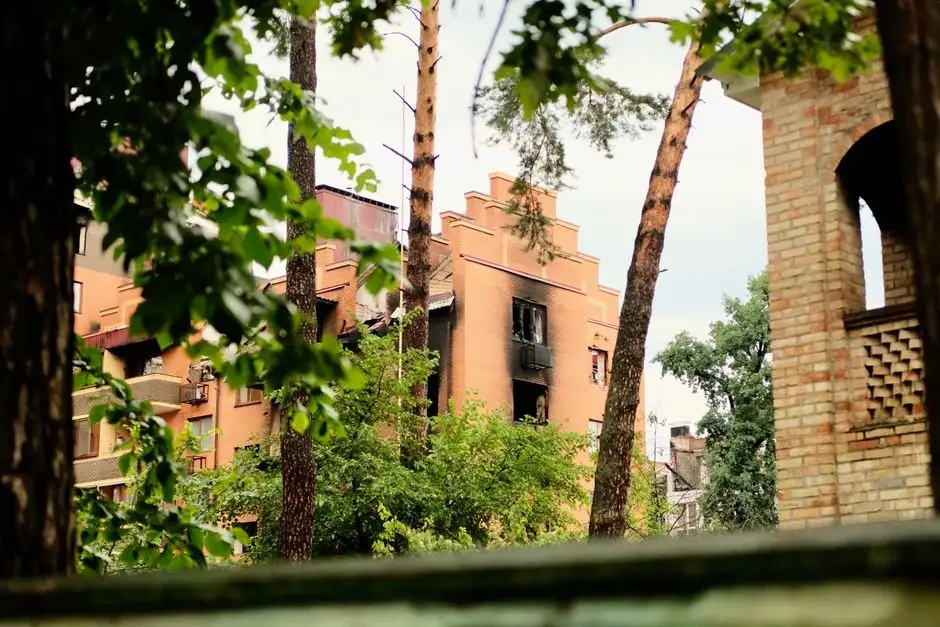 Smoke Damage RestorationSmoke travels farther than flame. After soot removal, we treat the rooms the fire never touched, sealing and deodorizing wall cavities and ductwork so the smell does not return when the heat comes back on.Explore →
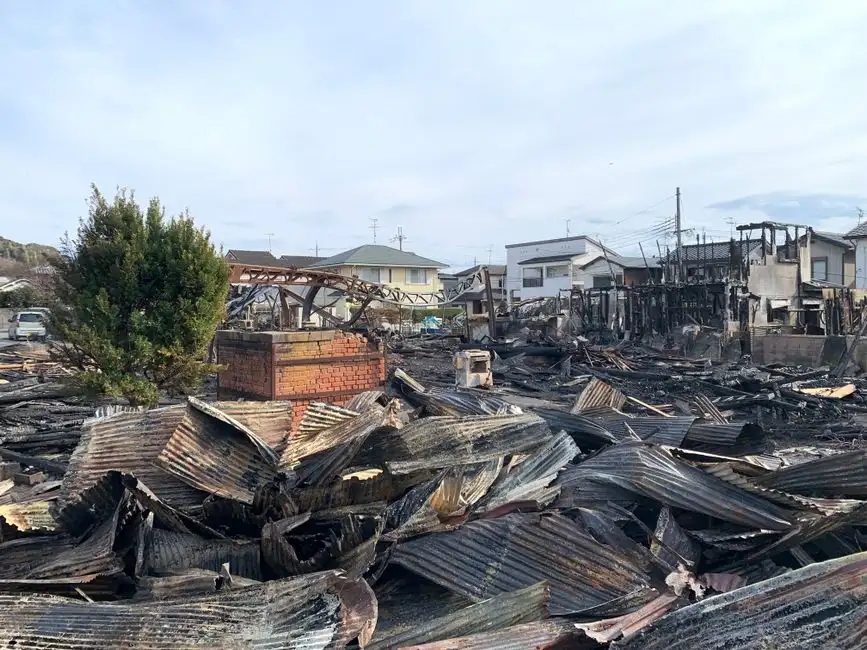 Fire Damage Clean UpSoot removal is one phase of fire damage clean up. We handle debris hauling, char removal, and surface cleaning together so your Cardiff property moves from loss to livable in one coordinated schedule.Explore →
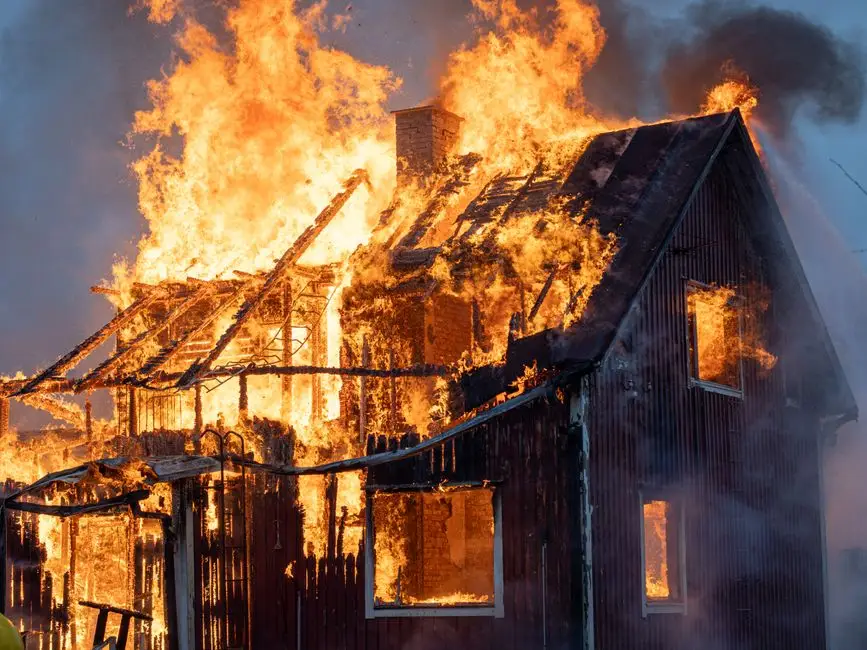 Emergency Fire Damage RestorationOvernight fires need containment before sunrise. Our 24/7 crew boards openings, stops water intrusion from firefighting, and starts soot removal as soon as the structure is safe to enter.Explore →
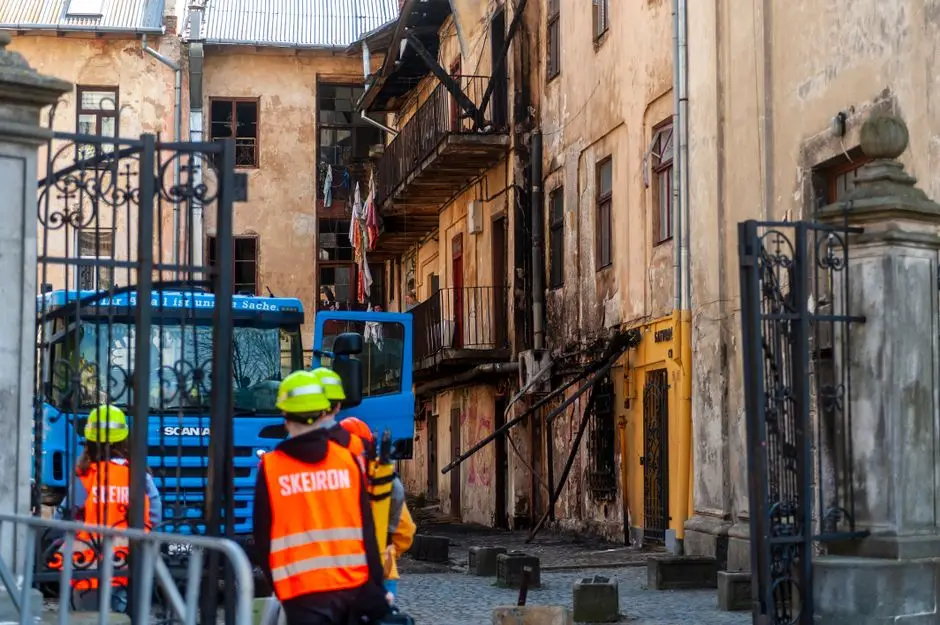 Structural Repair After FireOnce soot and char are gone, framing, drywall and roof sheathing often need replacement. We hold the CSLB license to do that work and pull permits under the California Building Code.Explore →
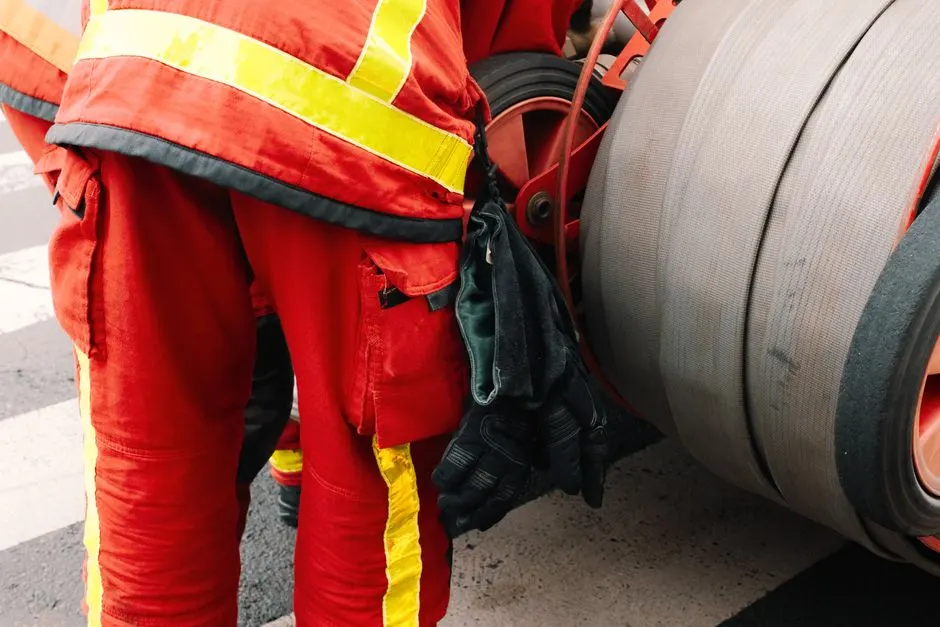 Odor Removal After FireOdor is the last thing to leave and the first thing homeowners notice. We use thermal fogging, ozone generators and HVAC filter changes to clear smoke odor after soot removal is complete.Explore →
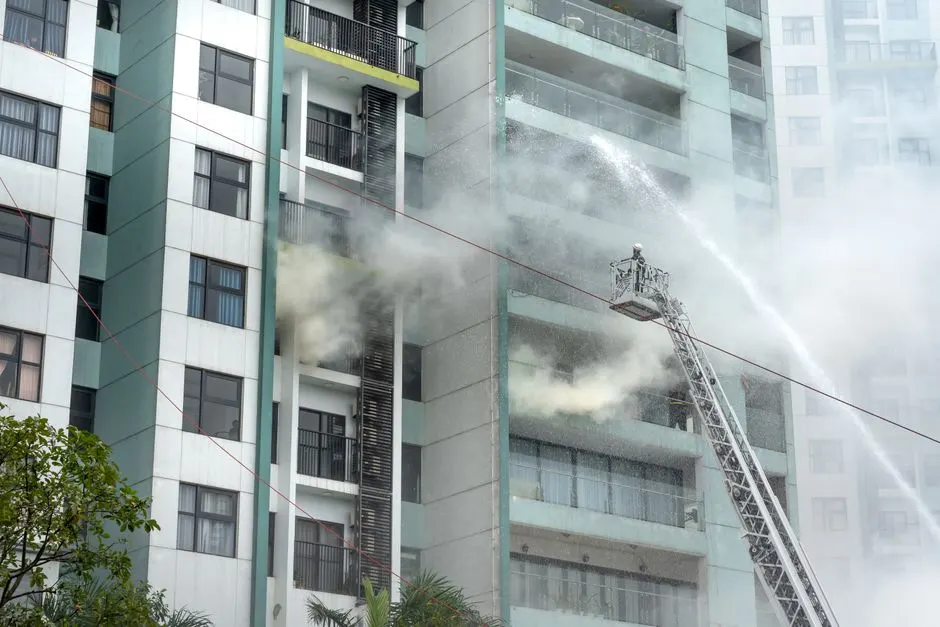 Smoke RemediationSmoke remediation focuses on the invisible residue that settles into insulation, upholstery and cavities. It pairs with soot removal on every job where the fire burned longer than a few minutes.Explore →
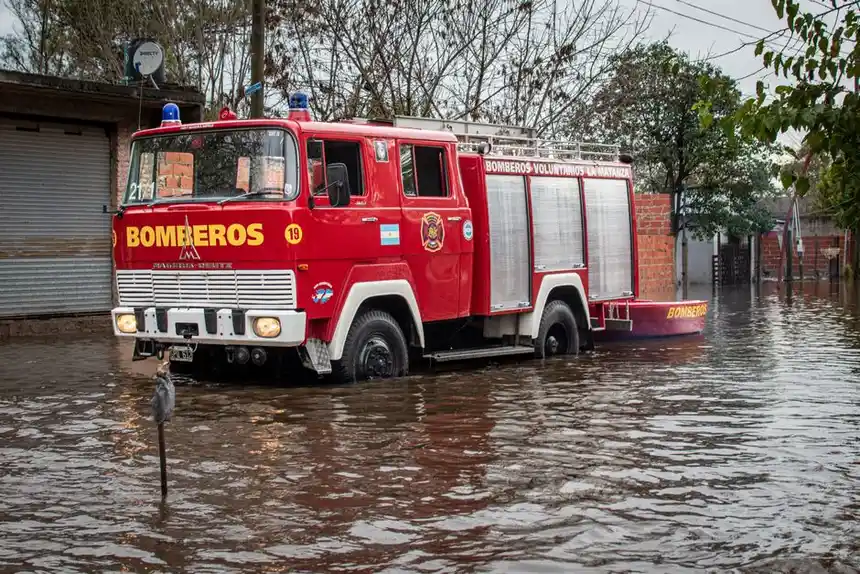 Fire and Flood RestorationFirefighting water causes as much damage as the fire in many Cardiff homes. We extract water, dry the structure, then remove soot, so mold does not get a foothold in wet framing.Explore →
 24 hour Fire RestorationFires do not keep business hours. Our phone line is staffed around the clock, and we dispatch soot removal crews for overnight and weekend losses across Cardiff by the Sea.Explore →
Soot gets harder to remove every hour it sits. Call (833) 929-6186 and we will schedule a same-day assessment, give you a written scope, and start soot cleanup before the residue etches deeper. Licensed, insured, and local to Cardiff by the Sea.
Schedule an Assessment (833) 929-6186 →Call (833) 929-6186 any time, day or night. A live dispatcher answers and gives you an arrival window. We serve all of CARDIFF BY THE SEA and the surrounding neighborhoods, and we can usually be on site within the hour for emergency calls.