Water damage from firefighting hoses
We extract standing water the same day, set air movers and dehumidifiers, and log moisture readings daily until the structure reads dry. Drying runs alongside soot removal so mold never gets a window.
Fire and Flood Restoration in CARDIFF BY THE SEA, California means one crew handles both the burn damage and the water left behind by firefighting. We extract standing water, remove charred framing, neutralize soot residue, and dry the structure to IICRC standards. Whether you're in Cardiff-by-the-Sea Village or up on Cardiff Bluffs, we roll 24/7 with truck-mounted extraction and thermal imaging. Call (833) 929-6186 and we'll be on site fast.
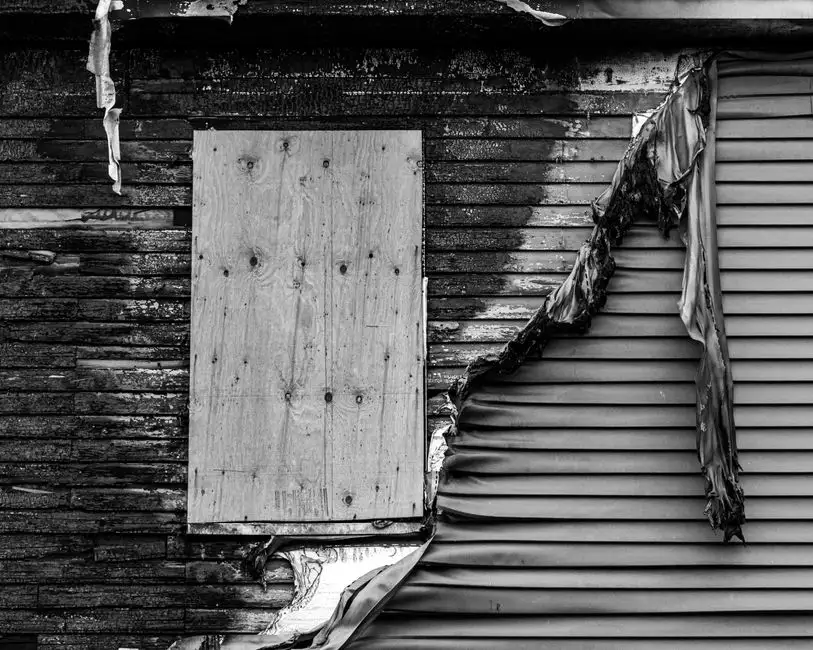
Fire and Flood Restoration in CARDIFF BY THE SEA, California is the combined cleanup, drying, deodorization, and structural repair that follows a house fire. It starts with emergency board-up and water extraction, then moves into soot removal, smoke odor treatment, and controlled demolition of charred drywall and insulation. We use thermal imaging cameras and moisture meters to find water hiding behind walls, then run air scrubbers and negative air machines until the structure reads dry. The last phase is reconstruction: new framing, drywall, primer, and finish work that matches California Building Code.
Local homeowners call us after kitchen grease fires, electrical panel failures, and attic fires that spread into roof sheathing. The water damage from firefighting hoses often does more square footage damage than the flames. That's why we treat fire and water damage restoration CARDIFF BY THE SEA California as a single scope, not two separate jobs. If you've been searching for fire and flood restoration near me CARDIFF BY THE SEA California at 2 a.m., we answer and dispatch.
Every job starts with an assessment and a written scope. The inclusions below cover the standard fire and flood scope; anything beyond that gets priced and approved before we start, so there are no surprise line items.
Broken windows, compromised doors, and roof openings get secured the same day we arrive. Tarp-over on damaged roof sheathing keeps rain out during the dry-out phase, which matters when a winter storm rolls through mid-job.
Truck-mounted extractors pull standing water, then Dri-Eaz and Phoenix Restoration Equipment air movers and dehumidifiers dry the structure. Moisture meter and thermal imaging readings are logged daily until the structure hits dry standard.
Charred drywall, insulation, and lumber come out with drywall saws and pry bars. Soda blasting cleans framing and masonry, and HEPA vacuums capture fine soot before it migrates into unaffected rooms.
Thermal foggers and ozone generators neutralize smoke molecules in porous materials and cavities. HVAC filters get swapped and ductwork cleaned so smoke odor in HVAC doesn't recirculate after the job is done.
New framing, drywall, insulation, primer, and finish work go back to California Building Code. The rebuild is handled by our licensed crew, and we walk the finished space with you room by room before closeout.
We answer 24/7 and dispatch a crew with extraction equipment, board-up materials, and PPE. On arrival we secure the structure, shut off utilities if needed, and photograph every affected room before anything moves. Expect us on site within the response window we quote on the phone.
Truck-mounted extractors pull standing water from flooring, subfloor, and crawlspaces. We set up Dri-Eaz and Phoenix Restoration Equipment air movers and dehumidifiers, then monitor moisture meter readings daily until the structure hits dry standard, usually 3 to 5 days.
Drywall saws and pry bars remove unsalvageable material. Soda blasting strips char from framing and brick without gouging the substrate. We HEPA-vacuum every surface, then seal remaining char with smoke sealant primer and encapsulant so odor can't bleed through new paint.
Thermal fogging penetrates porous materials, and ozone generators run in unoccupied spaces to neutralize smoke molecules. We replace HVAC filters and clean ductwork so smoke odor in HVAC doesn't return. Post-treatment air quality is verified before we close out this phase.
New drywall, insulation, lumber and framing, primer, and finish work go back to California Building Code. We walk the job with you room by room, hand over the moisture logs and photo documentation, and confirm the finished space matches the pre-loss condition.
Purpose-built equipment, used by trained technicians — so the job is done accurately the first time.
Finds water hidden behind walls and under flooring without opening every cavity, which saves demolition time and keeps the scope honest.
Reads moisture content in drywall, lumber, and subfloor. Daily readings are logged and shared with your adjuster as drying proof.
Filters airborne soot and mold spores and creates negative pressure so contaminants don't migrate into unaffected rooms.
Thermal fogging penetrates porous materials with deodorizing chemistry; ozone generators neutralize smoke molecules in unoccupied spaces.
Captures fine soot and ash before it goes airborne. Every surface gets HEPA-vacuumed before wet cleaning starts.
Strips char from framing, brick, and masonry without gouging the substrate the way aggressive grinding would.
Commercial air movers and dehumidifiers sized to the job. We calculate unit count from the affected cubic footage, not guesswork.
A grease fire charred the range hood and upper cabinets and the fire department left about two inches of water across 600 square feet of hardwood. Soot residue coated the walls and ceiling, and the floor was already starting to cup at the seams.
We extracted the water, dried the hardwood and subfloor over four days, removed the charred hood and cabinets, and rebuilt to match. Moisture readings returned to baseline and the floor laid flat without replacement.
An electrical fire behind the panel sent smoke through the hallway, three closets, and the HVAC system. Charred drywall covered about 40 square feet, and the smoke odor was noticeable in every room within an hour of the fire.
We removed the charred drywall, soda-blasted the framing, thermal fogged the closets, ran ozone treatment, and swapped every HVAC filter. Post-treatment air quality passed and the odor was gone at the final walkthrough.
An attic fire breached the roof sheathing and water pooled in the ceiling of the unit below. Two units were affected, and both tenants needed separate documentation for their carriers.
We tarped the roof the same day, extracted water from both units, dried the ceiling cavity in five days, and rebuilt the sheathing and ceiling. Both claims were documented separately and approved.
Most of the damage we see in CARDIFF BY THE SEA isn't from the flames. It's from the water, the soot, and the smoke that keep working after the fire trucks leave. Here's what we fix.
Ask a pro →We extract standing water the same day, set air movers and dehumidifiers, and log moisture readings daily until the structure reads dry. Drying runs alongside soot removal so mold never gets a window.
We replace HVAC filters, clean the ductwork, and run thermal fogging and ozone treatment in the occupied spaces. Post-treatment air quality is verified before we close the deodorization phase.
We HEPA-vacuum surfaces, apply chemistry matched to the residue type, then seal with smoke sealant primer and encapsulant so stains can't bleed through new paint.
Drywall saws and pry bars remove unsalvageable material, soda blasting cleans remaining char, and our licensed crew rebuilds framing and sheathing to California Building Code.
Most residential fire and flood restoration jobs in CARDIFF BY THE SEA run $3,500 to $25,000 depending on square footage, water volume, and how much structural framing is charred. Small kitchen fires with limited water intrusion land near the low end; attic fires that breach roof sheathing and soak insulation push toward the high end. We give you a written scope before work starts, and most of the cost is typically covered by your homeowner's policy.
Yes, and it should be. Firefighting water soaks drywall, insulation, and subfloor, so drying has to start while soot removal is underway or mold colonizes the wet cavities within 24 to 48 hours. We run extraction and air scrubbers alongside char removal, then verify moisture readings before reconstruction. Treating both in one scope is standard practice for fire and water damage restoration CARDIFF BY THE SEA California.
Fire Damage Restoration Cardiff By The Sea handles fire and flood cleanup and restoration across CARDIFF BY THE SEA, from Cardiff-by-the-Sea Village to Cardiff Bluffs and the San Elijo Lagoon area. We're IICRC-certified, CSLB-licensed, and available 24/7 at (833) 929-6186. Call and we'll confirm an arrival window and dispatch a crew with extraction and board-up equipment.
Structural drying usually takes 3 to 5 days, soot and char removal adds 2 to 4 days, and reconstruction runs 1 to 3 weeks depending on scope. A contained kitchen fire with minor water intrusion can wrap in about two weeks; an attic fire with roof damage and soaked insulation often runs four to six weeks. We give you a phase-by-phase timeline after the initial assessment.
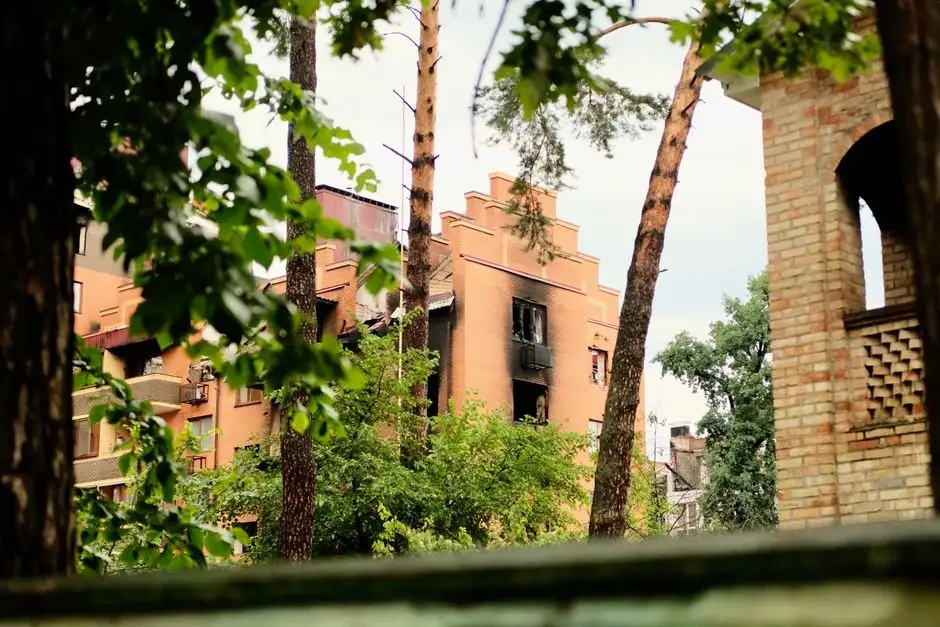 Smoke Damage RestorationSmoke travels farther than flames, settling into closets, cabinets, and HVAC returns. We pair smoke damage restoration with fire and flood work so odor doesn't return after the rebuild is painted.Explore →
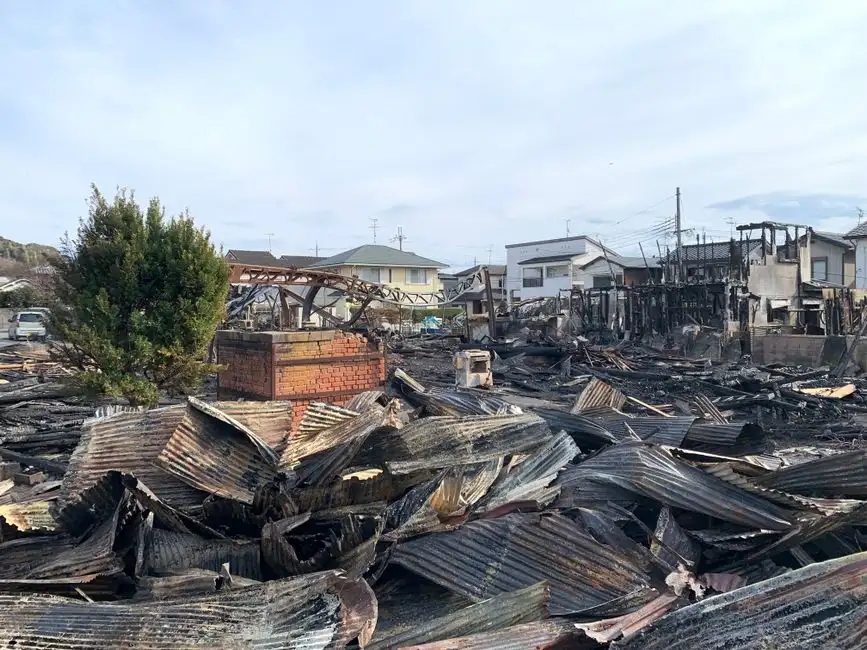 Fire Damage Clean UpDebris removal, char scraping, and HEPA vacuuming come before any rebuild. Fire damage clean up on a CARDIFF BY THE SEA job typically clears the structure in 2 to 4 days so drying and reconstruction can start.Explore →
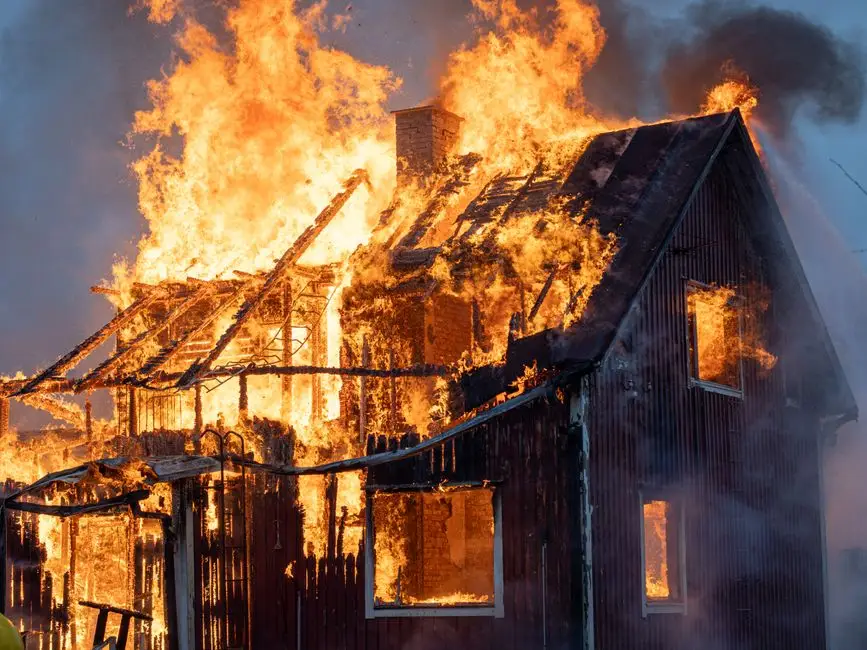 Emergency Fire Damage RestorationBoard-up, tarp-over, and water extraction happen the same day we arrive. Emergency fire damage restoration limits secondary damage in the first 24 hours, which is when most of the avoidable loss occurs.Explore →
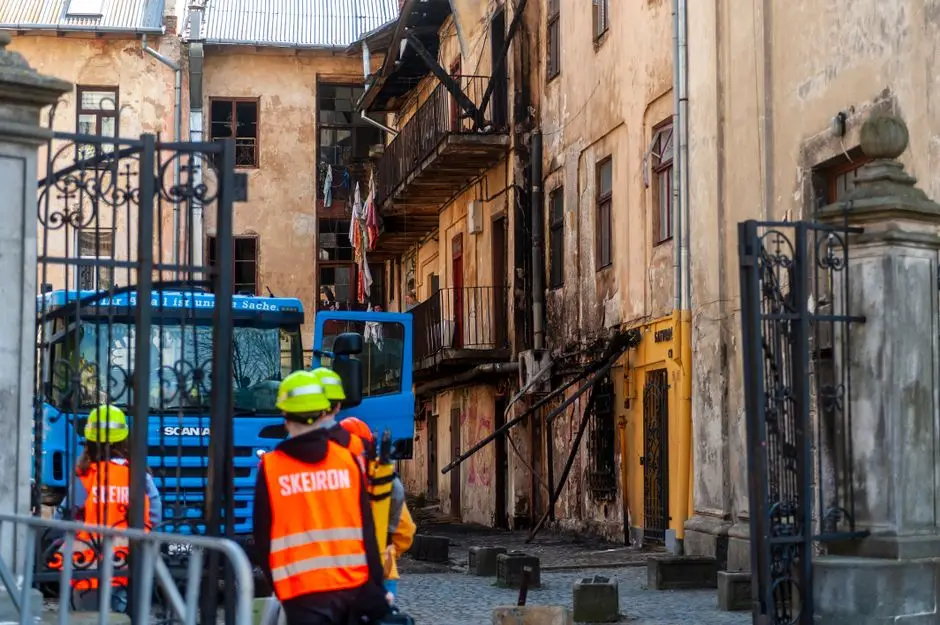 Structural Repair After FireCharred framing, roof sheathing, and compromised load paths get rebuilt to California Building Code. Structural repair after fire is handled by our licensed crew, not subcontracted out.Explore →
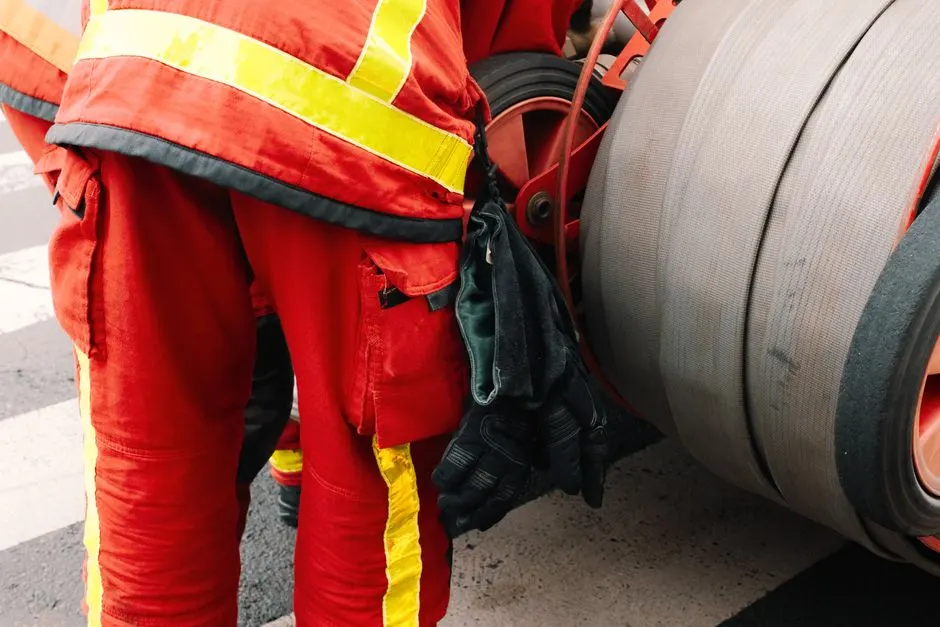 Odor Removal After FireThermal fogging, ozone treatment, and HVAC filter swaps eliminate smoke molecules rather than masking them. Odor removal after fire is verified before we close the job.Explore →
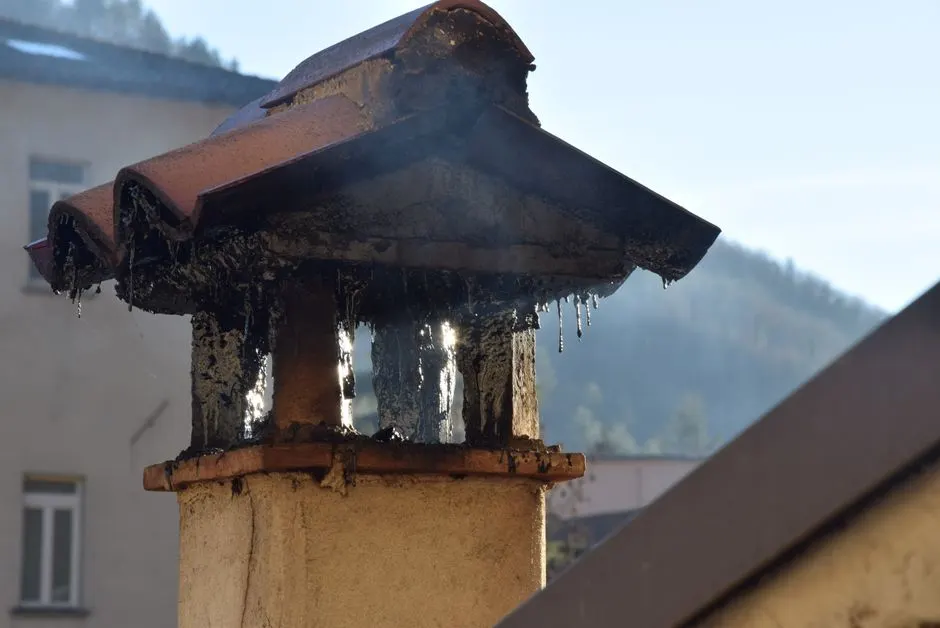 Soot RemovalSoot residue on walls and ceilings gets HEPA-vacuumed and chemically treated. Soot removal on grease fire residue requires different chemistry than wood smoke, and we match the method to the fuel.Explore →
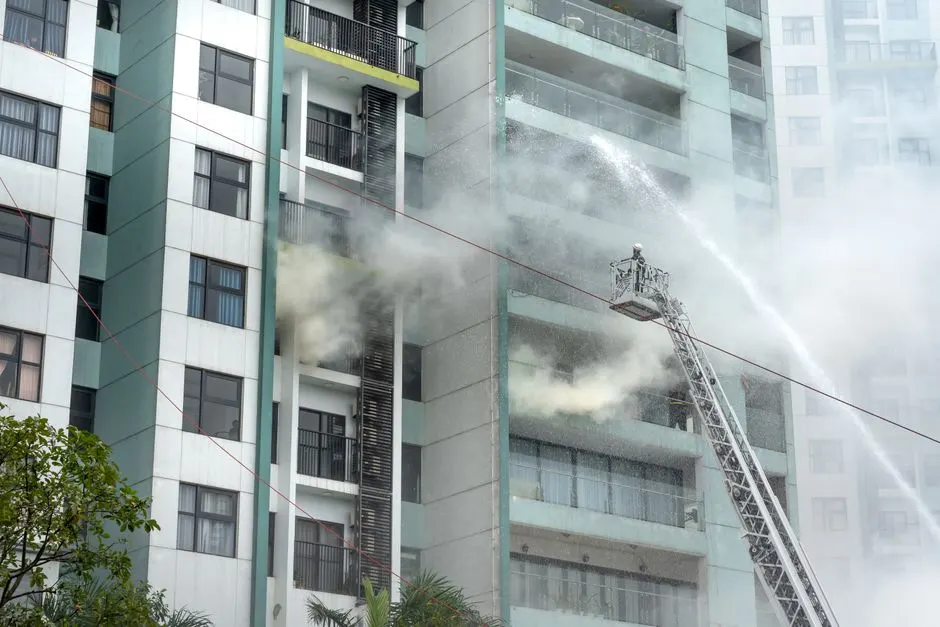 Smoke RemediationDuct cleaning, sealant primer, and encapsulant stop smoke from bleeding through new paint. Smoke remediation runs alongside the drying phase so the structure is odor-free when reconstruction finishes.Explore →
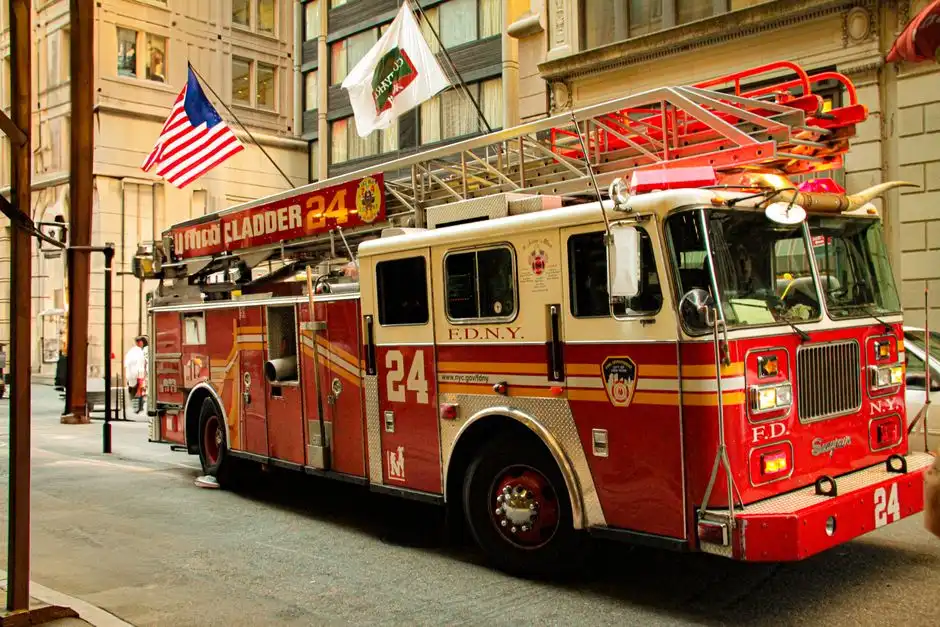 24 hour Fire RestorationWe answer at 2 a.m. and dispatch with extraction and board-up gear. 24 hour fire restoration matters most in the first day, before water soaks deeper and mold gets a start.Explore →
One call gets a certified crew dispatched with extraction, board-up, and drying equipment. We answer 24/7, document the job for your insurer, and rebuild to code. Call (833) 929-6186 now and we'll confirm your arrival window.
Call Now (833) 929-6186 →Call (833) 929-6186 any time, day or night. A live dispatcher answers and gives you an arrival window. We serve all of CARDIFF BY THE SEA and the surrounding neighborhoods, and we can usually be on site within the hour for emergency calls.