How to prevent kitchen fires during the Cardiff-by-the-Sea holiday season
Most holiday kitchen fires in Cardiff-by-the-Sea start with unattended cooking and overloaded outlets. Here is how to prevent them and what cleanup costs in 2026.
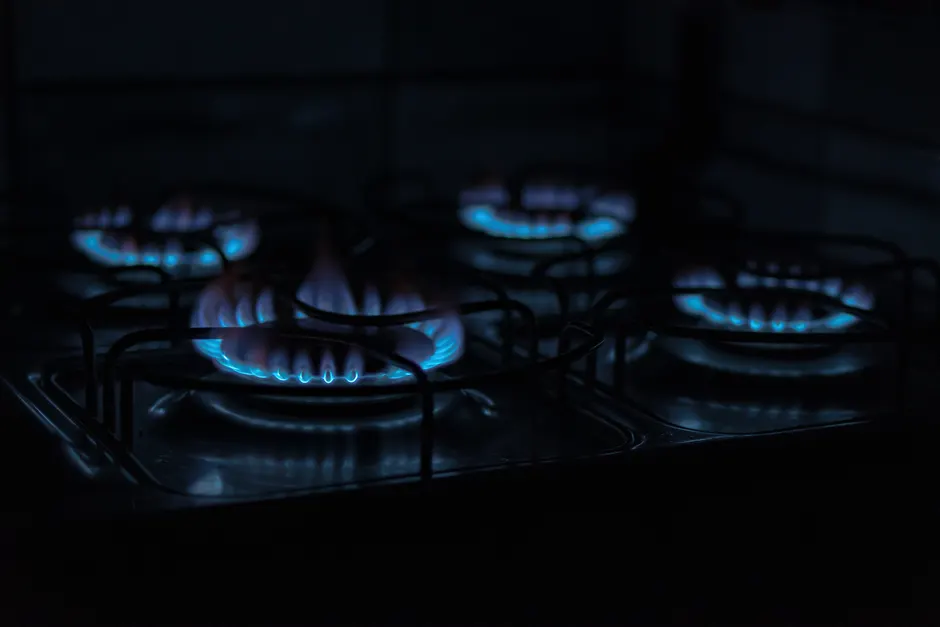
You prevent kitchen fires during the Cardiff-by-the-Sea holiday season by never leaving cooking unattended, keeping combustibles at least 3 feet from the stove, and testing your smoke alarms before the first big meal. Most holiday kitchen fires here start within 90 seconds of a distraction - a knock at the door, a phone call, a child who needs help in the other room.
Cardiff-by-the-Sea adds its own wrinkles: older beach cottages with original wiring, small kitchens that double as entertaining space, and a December calendar packed with potlucks and family visits. This guide covers the real causes, the prevention steps that actually work, what to do in the first minute of a fire, and what kitchen fire cleanup costs in 2026 if the worst happens.
Why holiday kitchen fires happen more often in Cardiff-by-the-Sea
Holiday kitchen fires in Cardiff-by-the-Sea spike between Thanksgiving and New Year's because cooking volume roughly triples while attention drops. The National Fire Protection Association reports that cooking is the leading cause of home fires year-round, but the December peak is real - Christmas Eve and Christmas Day are two of the three busiest days for home cooking fires nationally.
Local conditions make it worse. Many homes in Cardiff-by-the-Sea Village and the Cardiff Bluffs were built between the 1940s and 1970s, and their kitchens were never designed for the appliance load of a modern holiday. A single circuit often runs the microwave, the coffee maker, and a countertop roaster at the same time. That is how electrical fires start behind the wall, not on the stovetop.
Coastal humidity is another factor. Grease that builds up on range hoods and backsplashes stays tacky longer in ocean air, which means it catches fire more easily than the dry, crusty grease you would find inland. If you have not degreased the hood since last winter, do it before the first holiday guest arrives.
The real causes of holiday kitchen fires in Cardiff-by-the-Sea
The most common holiday kitchen fires in Cardiff-by-the-Sea start with unattended cooking, followed by grease ignition and electrical overload. Here is what we actually see when we respond to calls in this area:
- Unattended cooking: Oil left heating while you set the table or answer the door. Peanut and canola oil reach their smoke point around 400-450°F, and a dry pan can hit that in under 4 minutes on a gas burner.
- Grease buildup: A range hood with a quarter-inch of old grease is a fire waiting for a flame. We see this most in older homes near Cardiff State Beach where the hood has not been cleaned in years.
- Electrical overload: Space heaters, roasters, and slow cookers on the same circuit as the fridge. A 15-amp kitchen circuit cannot safely run a 1,500-watt roaster and a 1,200-watt coffee maker at once.
- Deep-frying a turkey: The single most dangerous holiday cooking method. Oil can spill onto the burner and ignite, and a frozen turkey in hot oil causes a violent boil-over.
- Flammable items on the stovetop: Oven mitts, paper towels, wooden spoons, and recipe cards left on or near the burners.
We also respond to a surprising number of fires caused by candles and decorative arrangements placed too close to the stove or on windowsills above the sink. If you are hosting, keep candles off the kitchen counter entirely.
How do I prevent kitchen fires during the holidays in Cardiff-by-the-Sea, California?
You prevent kitchen fires during the holidays in Cardiff-by-the-Sea, California, by controlling the three things that cause them: heat, fuel, and distraction. These steps work whether you are cooking for four or forty.
Before the cooking starts
- Test every smoke alarm and carbon monoxide detector. Press the test button; replace batteries if the chirp is weak. San Diego County Fire recommends testing monthly and replacing the whole unit every 10 years.
- Clean the range hood and stovetop. Degrease the filter with hot water and dish soap, or run it through the dishwasher if it is metal. Wipe down the backsplash where grease collects.
- Clear the 3-foot zone. Nothing flammable - towels, bags, boxes, wine bottles - within 3 feet of the burners. This is the single most effective prevention step.
- Check your circuits. If your kitchen has only two countertop outlets, do not run more than two high-wattage appliances at once. Use a dedicated circuit for the roaster or plug it in the dining room.
- Keep a lid and a fire extinguisher within reach. A Class K extinguisher is best for grease fires; a Class ABC works for most household fires. Mount it on the wall 4-5 feet from the stove, not directly above it.
While you are cooking
Stay in the kitchen when you are frying, grilling, or broiling. If you must leave the room, turn off the burner. Set a timer as a backup - a phone alarm every 10 minutes during long cooks is a habit that has saved more kitchens than any gadget.
Keep kids and pets out of the 3-foot zone. A child reaching for a cookie can pull a pot of hot oil onto themselves in a second. If you are hosting, designate one adult as the kitchen monitor for the evening.
Never move a flaming pan. Slide a lid over it, turn off the heat, and let it sit. Moving a burning pan is how grease fires spread to cabinets and curtains.
What to watch out for: common mistakes that start fires
The mistakes that start most holiday kitchen fires are small and easy to fix once you know them. Watch for these:
- Putting frozen food into hot oil. Ice turns to steam instantly and pushes oil out of the pot. Thaw and dry turkey, chicken, and potatoes completely before frying.
- Overfilling the fryer. Oil should stay at least 2 inches below the rim. A 12-pound turkey needs about 3 gallons of oil in a 30-quart pot - check the pot's max-fill line.
- Using water on a grease fire. Water sinks, flashes to steam, and throws burning oil into the air. Never do it.
- Leaving the house while something is in the oven. A 350°F oven with a forgotten casserole can ignite in 20-30 minutes if something drips onto the heating element.
- Overloading extension cords. A 16-gauge cord running a space heater and a slow cooker will overheat. Use cords rated for the load, and never daisy-chain power strips.
- Ignoring a flickering outlet or warm plug. That is a sign of a loose connection or an overloaded circuit. Call an electrician before the holidays, not after.
One more: do not store boxes or paper on top of the refrigerator. The compressor and the coils get hot, and a stack of holiday boxes up there is a fire risk that most people never think about.
What to do in the first 60 seconds of a kitchen fire
In the first 60 seconds of a kitchen fire, turn off the heat and smother the flames with a lid or a Class K extinguisher - then get everyone out and call 911. Do not try to fight anything larger than a small pan fire.
Here is the sequence we recommend:
- Turn off the burner or oven. Cut the heat source first.
- Smother a pan fire with a metal lid. Slide it on from the side, not from above, and leave it there until the pan is completely cool.
- Use a fire extinguisher for anything beyond the pan. Aim at the base of the flames, sweep side to side, and keep your back to an exit.
- Get out and call 911. If the fire has reached cabinets, curtains, or the wall, leave immediately. Close the door behind you to slow the spread.
- Do not re-enter. Wait for the fire department to clear the structure.
After the fire is out, the damage is not over. Smoke and soot continue to settle into porous surfaces for hours, and the acidic residue starts etching metal and glass within a day. That is when you need professional fire cleanup CARDIFF BY THE SEA California - the sooner the better, because soot that sits for a week becomes much harder to remove.
When to call a professional
Call a professional when the fire has damaged anything beyond the inside of a pan - cabinets, walls, ceilings, appliances, or the range hood. Even a small grease fire leaves a residue that ordinary cleaning cannot fully remove, and the smoke odor will return every time the humidity rises if it is not treated properly.
We handle the full scope: soot removal, smoke odor neutralization, structural drying if water from the firefighting effort is present, and reconstruction. If your kitchen fire was electrical in origin, we also coordinate with a licensed electrician to make sure the circuit is safe before we rebuild. You can see the full range of what we do on our Fire Damage Restoration page.
If you live in an apartment or rental near the Fire Damage Restoration in Cardiff Town Center area, call us before you call your landlord. We can document the damage properly so your renter's insurance claim is not undervalued.
How much does kitchen fire cleanup cost in Cardiff-by-the-Sea, California?
Kitchen fire cleanup in Cardiff-by-the-Sea typically costs between $1,200 and $6,500 for a contained fire, and $8,000 to $25,000 or more when cabinets, walls, or structural framing are involved. Those are 2026 pricing ranges for this area, and they depend on the size of the kitchen, how far the smoke traveled, and whether reconstruction is needed.
Here is a rough breakdown of what drives the number:
- Soot and smoke cleanup: $500-$2,500 for a single room, depending on surface area and how long the residue sat.
- Odor removal: $300-$1,500, using thermal fogging, ozone, or hydroxyl treatment.
- Cabinet and counter replacement: $2,000-$10,000, depending on materials and whether custom cabinetry is involved.
- Drywall and paint: $800-$3,500 for a typical kitchen.
- Structural repair: $3,000-$15,000 if framing or a load-bearing wall is damaged.
Most homeowner policies cover kitchen fire damage, including cleanup, reconstruction, and temporary housing if the kitchen is unusable. We work directly with adjusters and can provide the documentation your carrier needs. For a full breakdown of services, see our kitchen fire damage restoration CARDIFF BY THE SEA California page.
Frequently Asked Questions
How do I prevent kitchen fires during the holidays in Cardiff-by-the-Sea, California?
Never leave cooking unattended, keep a 3-foot clear zone around the stove, clean your range hood before the season starts, and test smoke alarms. Do not overload kitchen circuits, and never put water on a grease fire. These five steps prevent the vast majority of holiday kitchen fires.
What causes most holiday kitchen fires in Cardiff-by-the-Sea?
Unattended cooking is the leading cause, followed by grease buildup and electrical overload. Deep-frying a turkey and leaving flammable items on the stovetop are the two most common triggers we see in this area between Thanksgiving and New Year's.
How much does kitchen fire cleanup cost in Cardiff-by-the-Sea, California?
Expect $1,200 to $6,500 for a contained fire in 2026, and $8,000 to $25,000 or more if cabinets, walls, or framing are damaged. Most homeowner insurance policies cover the cleanup and reconstruction after a kitchen fire.
Who does kitchen fire damage restoration near me in Cardiff-by-the-Sea?
Fire Damage Restoration Cardiff By The Sea handles kitchen fire cleanup, soot removal, smoke odor treatment, and reconstruction throughout Cardiff-by-the-Sea and the surrounding San Diego coastal communities. We respond 24/7 and work directly with your insurance adjuster.
Does insurance cover kitchen fire damage in Cardiff-by-the-Sea?
Yes, most standard homeowner and renter policies cover kitchen fire damage, including cleanup, structural repair, and temporary housing. We document the damage thoroughly and communicate with your adjuster to make sure the claim reflects the full scope of work.
Get help with Fire Damage Restoration in Cardiff-by-the-Sea
If a holiday cooking fire has damaged your kitchen, call Fire Damage Restoration Cardiff By The Sea at (833) 929-6186. We answer 24/7, arrive with the equipment to stop smoke damage from spreading, and handle everything from soot removal to the final coat of paint.