Smoke odor that comes back when the heat runs
We clean the ductwork, swap the HVAC filters, run air scrubbers through the demo phase, and thermal fog the structure. Then we meter the air to confirm the reading is clean before we pull the equipment.
Fire and Smoke Damage Restoration in CARDIFF BY THE SEA, California begins the moment the trucks roll up. We pull soot off walls, neutralize smoke odor in the HVAC, and dry the water left behind by firefighting before mold gets a foothold. Whether it was a kitchen grease fire in Cardiff-by-the-Sea Village or an electrical fire near Cardiff Reef, our crew works the same day and documents every step for your insurance claim.
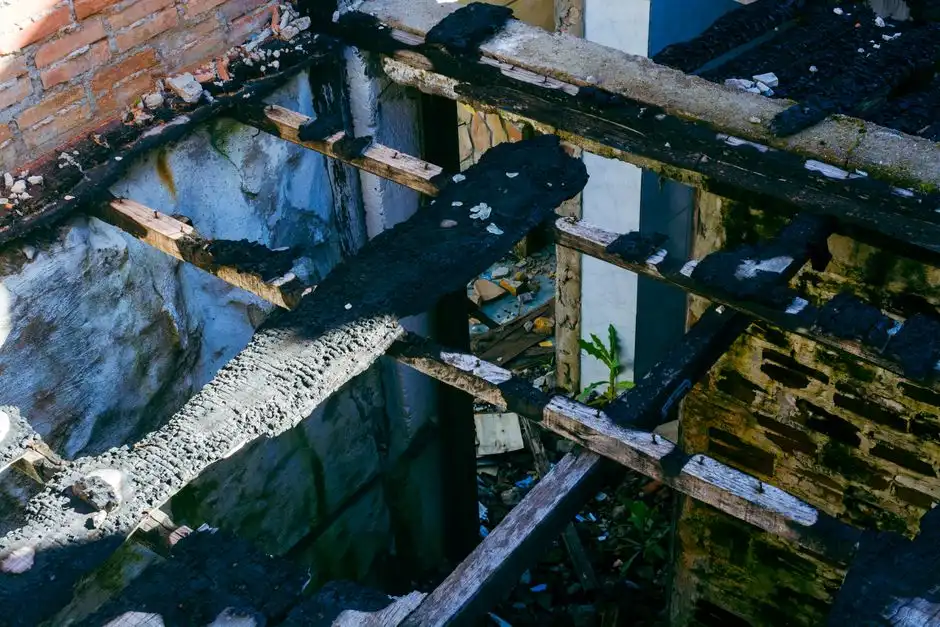
Fire and Smoke Damage Restoration in CARDIFF BY THE SEA, California is the full-scope trade of returning a fire-damaged home to safe, livable condition. It is not just wiping down walls. We test char depth on framing, run thermal imaging cameras through wall cavities, and use moisture meters to find the water firefighting crews pumped in. Soot residue gets removed with HEPA vacuums and dry sponges before any wet chemical touches it, because the wrong order smears acidic residue deeper into drywall. Smoke sealant primer and encapsulant go on after char removal, then we rebuild.
Most calls we take in this town start with a small fire that did more smoke damage than flame damage: a pan of oil on a gas range, a dryer vent packed with lint, an outlet that arced behind a couch. Coastal humidity here pushes smoke odor into insulation and lumber and framing faster than dry inland air does, so a fire and smoke damage cleanup CARDIFF BY THE SEA job that sits 48 hours often turns into a mold-after-fire job. If you are searching for fire and smoke damage restoration near me CARDIFF BY THE SEA California at 2 a.m., we answer and dispatch.
Every job includes the full sequence from board-up through final walkthrough. What changes is how far the damage goes. Here is what is in scope on a standard residential job, and what we price separately if the damage calls for it.
Plywood over windows and doors, tarps over roof openings, gas and electrical shutoff. We secure the structure the same day you call so weather and theft are not adding to the loss overnight.
HEPA vacuuming, dry sponging, char removal chemicals, and soda blasting on framing where it makes sense. We bag and haul debris the same day it comes down so the rest of the house stops absorbing smoke.
Thermal fogging, ozone treatment in unoccupied rooms, air scrubbers and negative air machines running through the demo phase, HVAC filter swaps, and duct cleaning. We meter the air before we call it done.
Firefighting water gets extracted and the structure dried to IICRC WRT standards. Moisture meters and thermal imaging cameras confirm the readings before the rebuild starts.
Drywall, insulation, lumber and framing, roof sheathing, paint, and trim built to California Building Code. We pull the permits through our California Contractors State License Board licensed crew and handle the inspections.
Photo logs, moisture readings, and itemized contents lists formatted for your adjuster. Contents get packed out, cleaned, and stored until the rebuild is done, then returned and reset.
We arrive, secure windows and doors with plywood, and tarp any roof openings. We shut off the gas and pull the electrical panel if the fire marshal has not already. This happens within hours of your call, day or night, so the structure is not open to rain or theft overnight.
A lead tech walks the house with a thermal imaging camera and moisture meter. We map char depth on framing, check the attic and crawlspace for smoke travel, and photograph everything. You get a written scope and an upfront price before demolition starts.
HEPA vacuums and dry sponges first. Then char removal chemicals on the hard surfaces, soda blasting on framing where it makes sense, and a pry bar and drywall saw on sections that are too far gone. We bag and haul debris the same day it comes down.
Thermal fogger goes through the structure, then ozone generators run in unoccupied rooms. Air scrubbers and negative air machines pull smoke particles out of the air while we dry any firefighting water to IICRC WRT standards. HVAC filters get swapped and ducts cleaned.
Drywall, insulation, lumber and framing, paint, trim. We pull permits through the California Contractors State License Board licensed crew and build to California Building Code. Final walkthrough with you, meter readings in hand, before we call the job done.
Purpose-built equipment, used by trained technicians — so the job is done accurately the first time.
Finds char depth inside wall cavities and hot spots a visual inspection misses. We run it on every job before demolition and again before the rebuild.
Pulls smoke particles out of the air and off surfaces. Air scrubbers run through the whole demo phase, not just the first day.
Thermal fogging pushes deodorizer into the same crevices the smoke reached. Ozone generators run in unoccupied rooms to neutralize the odor at the source.
Moisture meters confirm the structure is dry to IICRC WRT standards before the rebuild. Negative air machines keep smoke and dust from spreading to the rest of the house.
Removes char from framing and hard surfaces without gouging the wood. It is the cleanest way to save framing that would otherwise get replaced.
Opens walls cleanly so we can inspect the cavity and replace only what is actually damaged, not the whole wall.
A pan of oil caught fire on a gas range. The range hood was coated in sticky grease residue, cabinets above the stove were smoke-stained, and the odor had moved through the HVAC into the bedrooms. The fire department broke one window and left about 150 gallons of water on the floor.
We degreased the hood and cabinets, soda blasted the metal, extracted and dried the floor, swapped the HVAC filters, cleaned the ducts, and thermal fogged the unit. The cabinets were saved, the window was replaced, and the air meter read clean at the final walkthrough on day 9.
An outlet behind a bedroom couch arced and caught the framing inside the wall. The drywall showed a small scorch mark, but the thermal camera found char 14 inches up the stud cavity. Smoke had traveled through the outlet boxes into the adjacent room.
We opened the wall, replaced two studs and the insulation, sealed with smoke sealant primer, replaced the drywall, and painted to match. The adjacent room's outlets were cleaned and the air was metered. The rebuild passed inspection on day 12.
Lint in the dryer vent caught fire and sent smoke through the attic and HVAC. The attic insulation was smoke-logged, the ductwork was coated, and the whole house smelled like burned lint. No structural char, but the odor was in every room.
We removed and replaced the attic insulation, cleaned the ductwork, swapped the HVAC filters, ran ozone generators in the unoccupied rooms, and thermal fogged the structure. The air meter read clean on day 7, and the house was livable again.
The fire is out. The problems are just starting. These are the ones we hear about most from Cardiff homeowners, and how we handle them.
Ask a pro →We clean the ductwork, swap the HVAC filters, run air scrubbers through the demo phase, and thermal fog the structure. Then we meter the air to confirm the reading is clean before we pull the equipment.
We dry-sponge first to lift the loose residue, then use char removal chemicals matched to each surface. Smoke sealant primer goes on after cleaning so the surface is sealed and paintable.
We extract the water, set air scrubbers and negative air machines, and dry to IICRC WRT standards. Moisture meters confirm the readings before the rebuild starts, so mold does not get sealed inside the new walls.
We run thermal imaging cameras through the wall cavities and open anything that reads hot or charred. We show you what we find before we re-price, and we replace the framing that is too far gone.
Most residential jobs run $3,500 to $18,000 in 2026 pricing, with the average around $8,000. Small kitchen fires with limited char land near the low end. Whole-room fires with structural damage and HVAC contamination push past $20,000. Insurance usually covers most of it, and we give you a written scope before demolition so you know where you stand.
Yes, most of it can. Drywall, insulation, and heavily charred framing get replaced, but hardwood floors, cabinetry, and furniture are often restorable with soda blasting and the right char removal chemicals. The key is timing. Smoke residue etches surfaces within 72 hours, so the sooner we start, the more gets saved. We tell you honestly what is salvageable and what is not.
We do, and we are local. Our crew covers Cardiff-by-the-Sea Village, Cardiff Bluffs, Cardiff Reef, and the surrounding streets. We are IICRC FSRT certified, licensed through the California Contractors State License Board, and we pull permits on every structural rebuild. Call and a real person answers, not a call center.
A typical residential job runs 5 to 14 days from board-up to final walkthrough. Soot removal and drying take 2 to 4 days. Rebuild takes the rest, and it depends on permit turnaround with the city and how much framing needs replacement. Commercial jobs and hoarding cleanup after fire take longer. We give you a schedule at the scope stage and update it as we go.
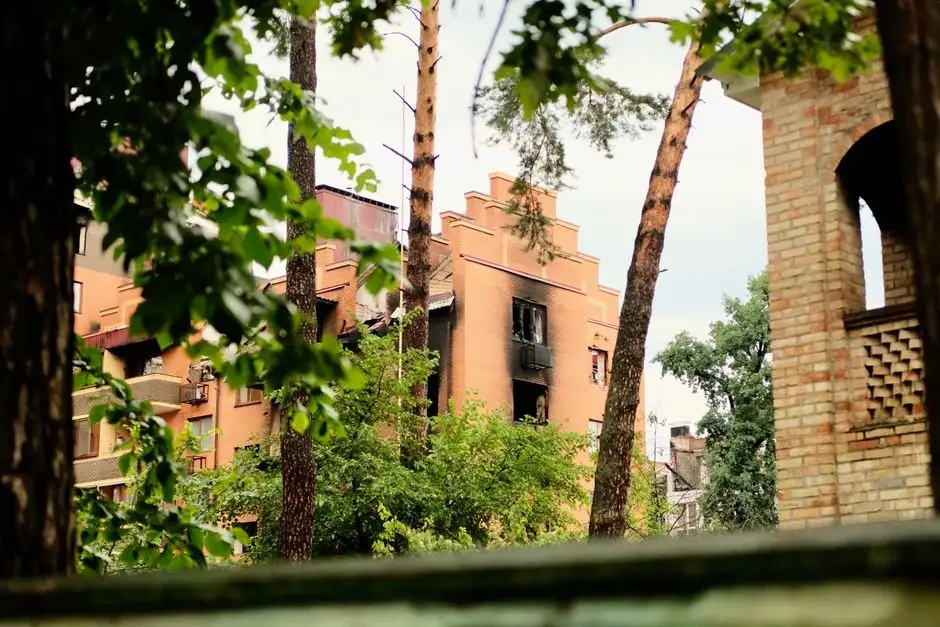 Smoke Damage RestorationSmoke travels farther than flame. It pushes through attic vents, outlet boxes, and HVAC returns. We clean and seal those paths so the odor does not come back the first time you run the heat.Explore →
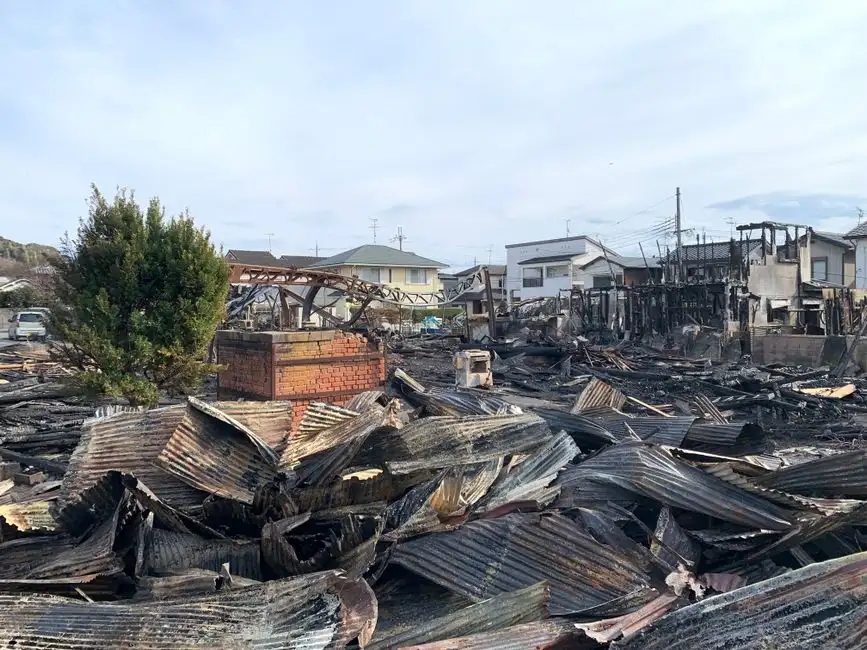 Fire Damage Clean UpDebris hauling, char removal, and bag-and-tag contents handling. We get the burned material out of the house the same day it comes down so the rest of the structure stops absorbing smoke.Explore →
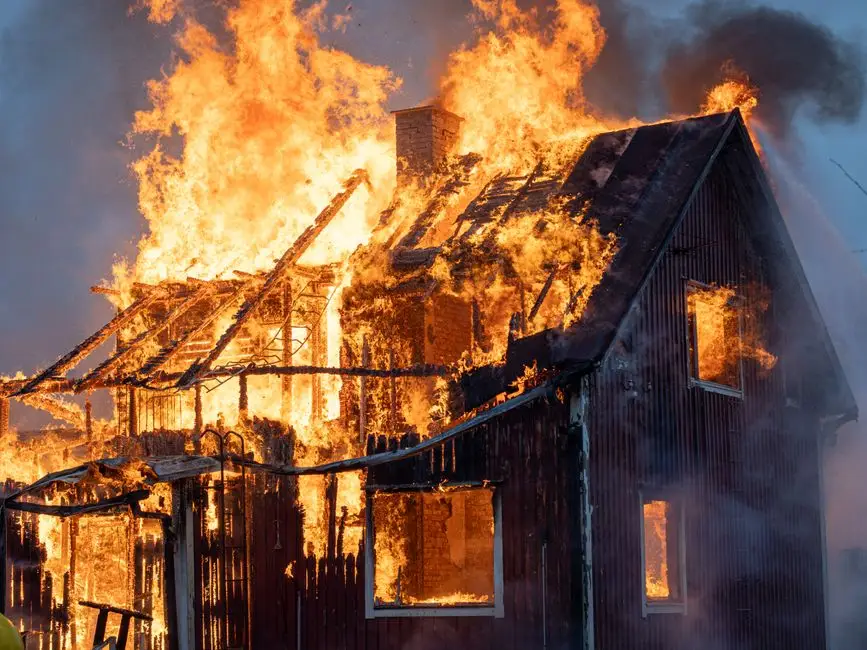 Emergency Fire Damage RestorationBoard-up, tarp-over, and water extraction within hours of your call. The first 24 hours decide how much of the structure is salvageable, and we do not wait until morning.Explore →
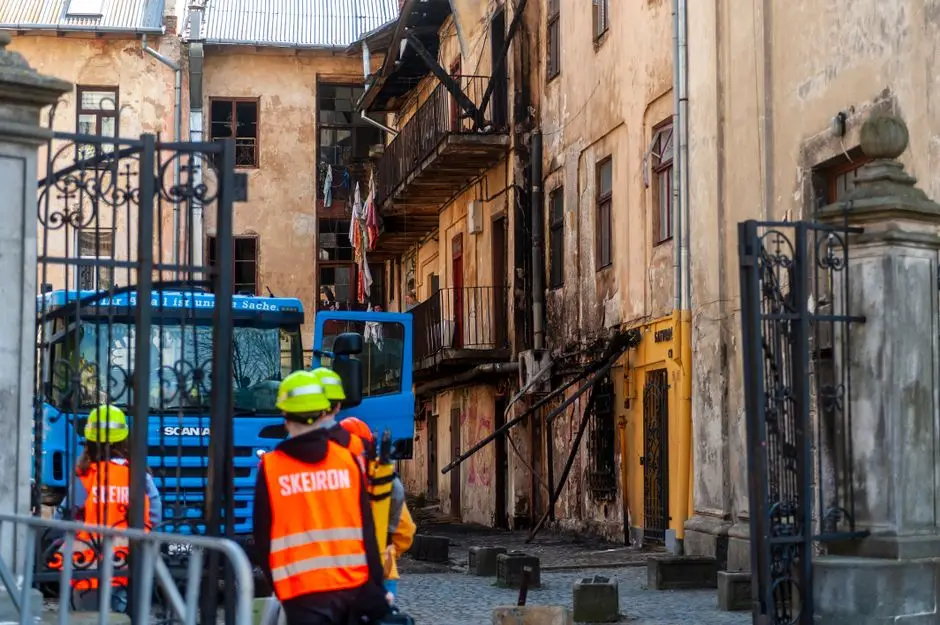 Structural Repair After FireFraming, roof sheathing, drywall, and finish work built to California Building Code. We pull the permits and handle the inspections so you are not chasing paperwork.Explore →
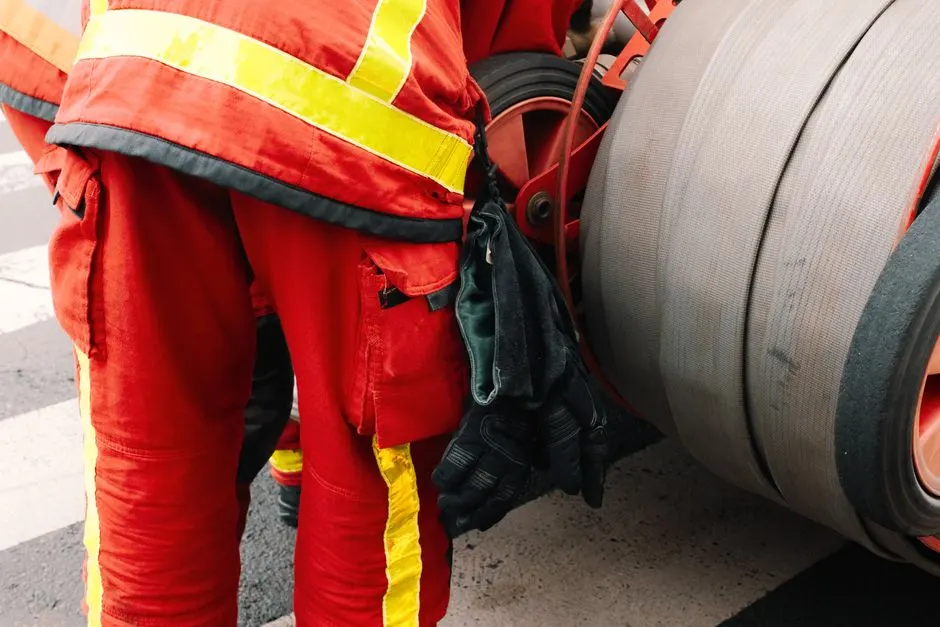 Odor Removal After FireThermal fogging, ozone treatment, and HVAC filter swaps. We meter the air after treatment so you know the odor is gone, not just covered up with a spray.Explore →
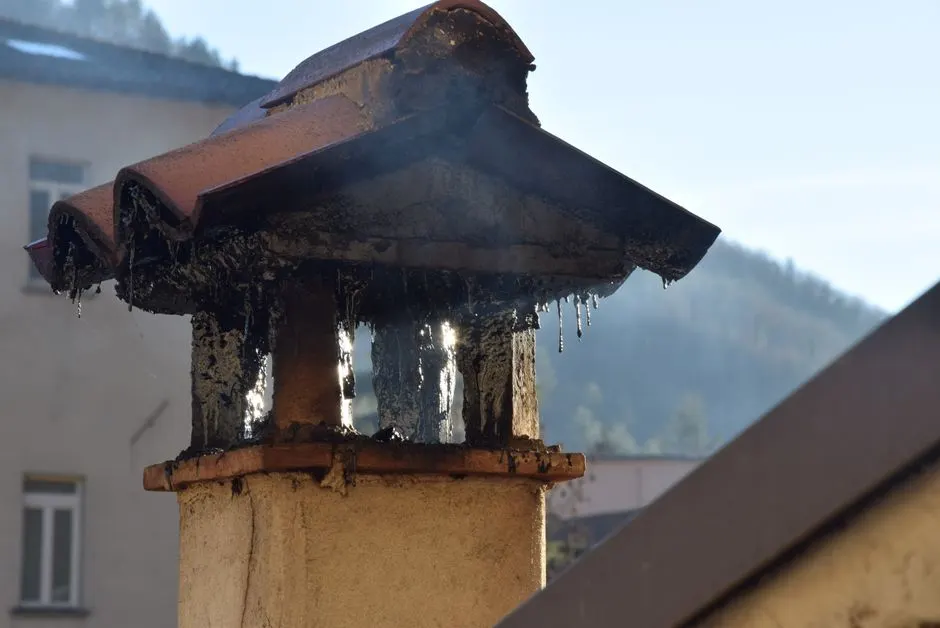 Soot RemovalDry sponging first, then char removal chemicals matched to the surface. Soot is acidic and etches paint and metal fast, so the order of operations matters more than the chemical strength.Explore →
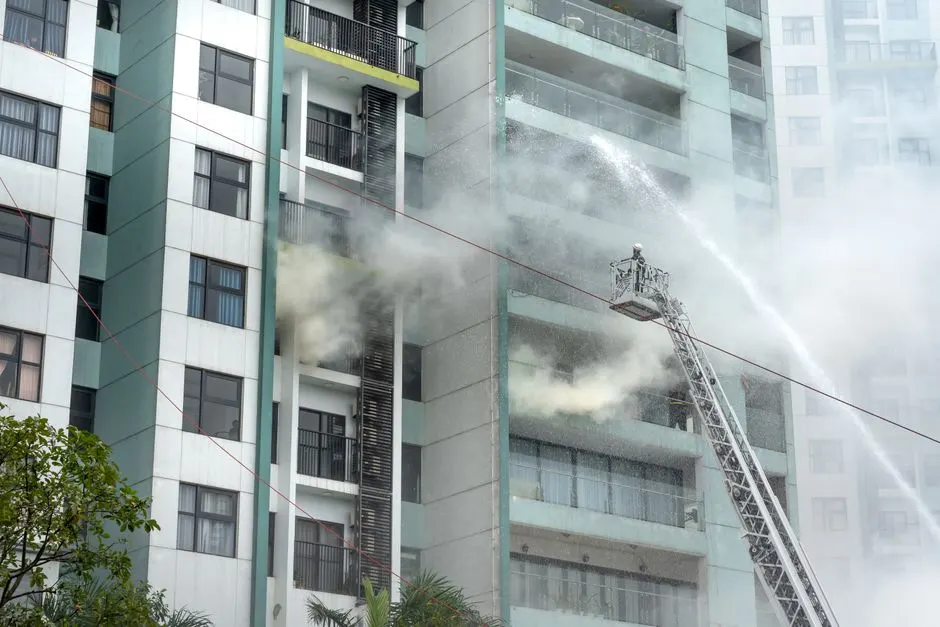 Smoke RemediationAir scrubbing with HEPA filters and negative air machines to pull smoke particles out of the breathing zone. We run air scrubbers for the whole demo phase, not just the first day.Explore →
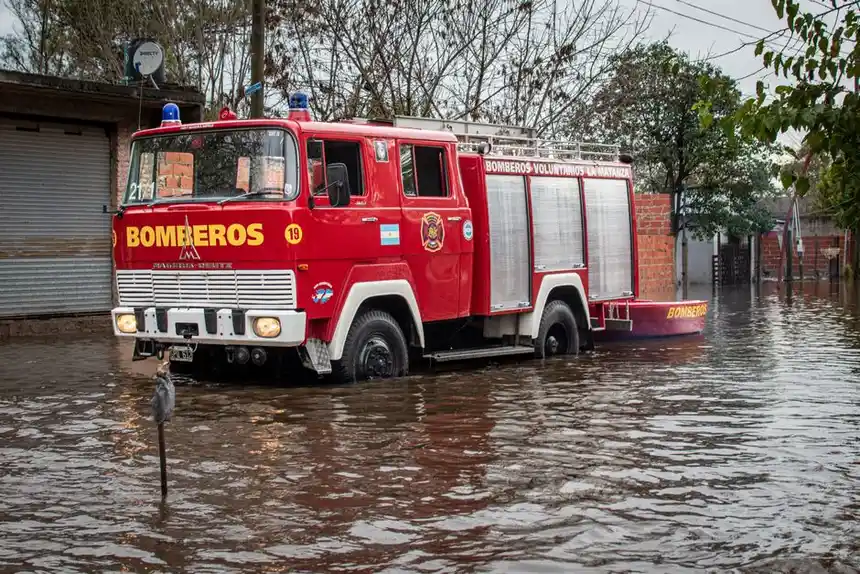 Fire and Flood RestorationFirefighting water is its own problem. We extract, dry to IICRC WRT standards, and treat for mold after fire and water before the rebuild starts.Explore →
Smoke damage gets worse every hour it sits. We answer 24/7, roll a truck the same day, and give you a written scope before demolition starts. Licensed, insured, IICRC FSRT certified, and local to Cardiff.
Call Now (833) 929-6186 →Call (833) 929-6186 any time, day or night. A live dispatcher answers and gives you an arrival window. We serve all of CARDIFF BY THE SEA and the surrounding neighborhoods, and we can usually be on site within the hour for emergency calls.